
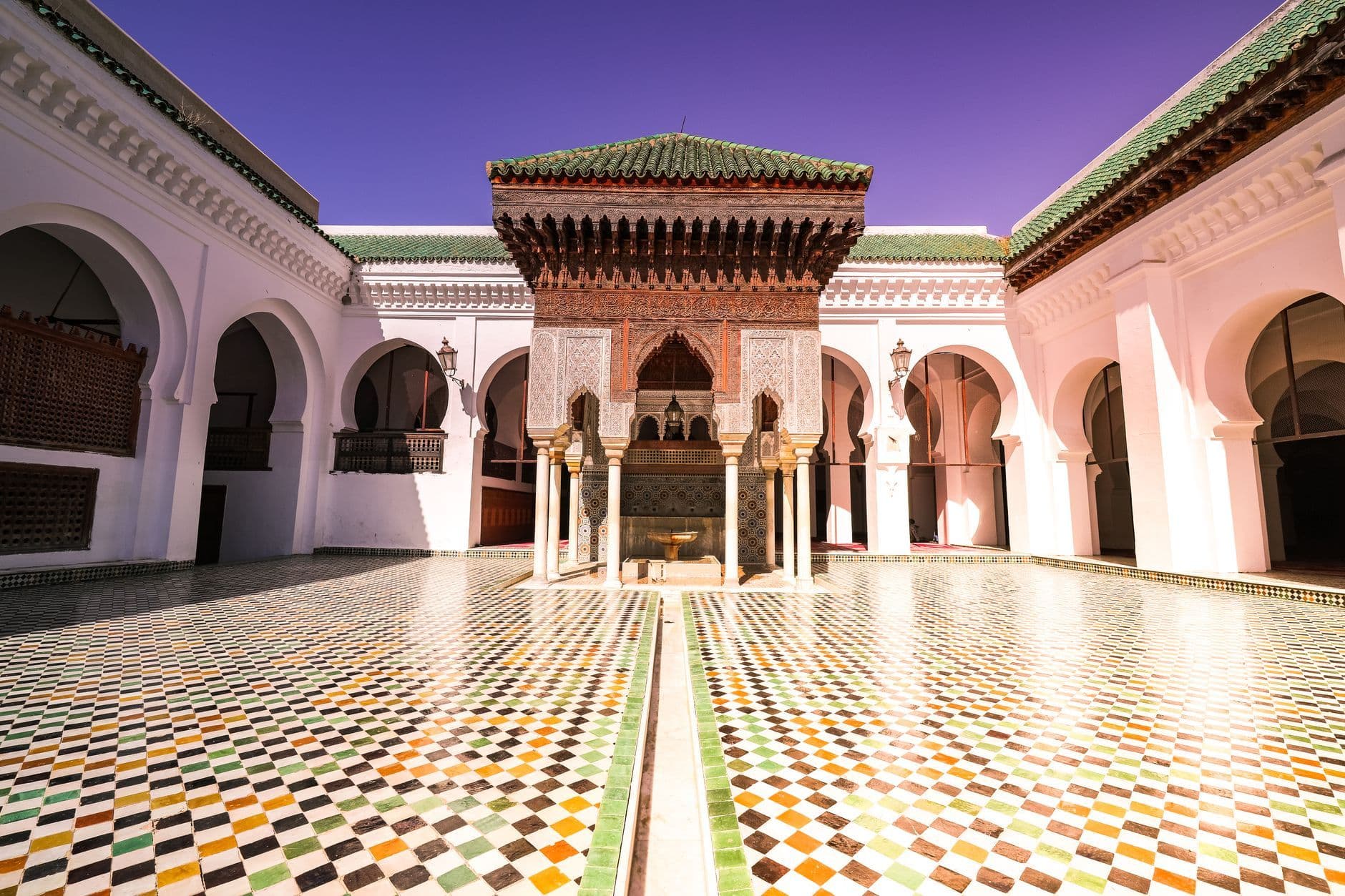
Morocco
Imperial medinas, Atlantic shores and dunes at the edge of the Sahara
- Cities published
- 1
- Population
- 36.8M
- Area
- 446,550 km²
- Time zones
- UTC+1
- Official languages
- Arabic, Amazigh
- Capital
- Rabat
The cities
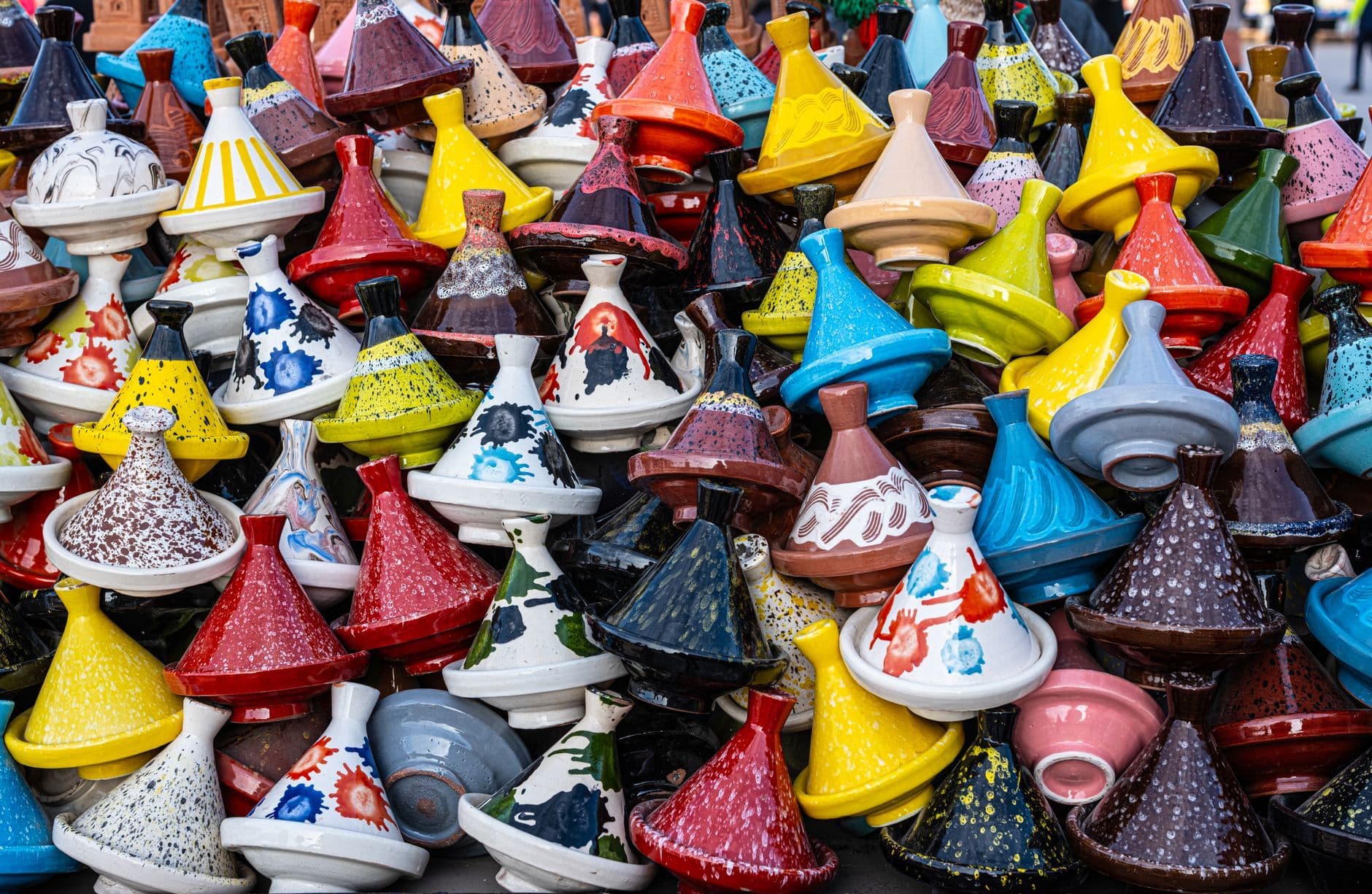
Emerging destinations in Morocco
Cities that are genuinely growing as destinations, based on tourism data and travel trends.
Cities to discover in Morocco
Distinctive, lesser-known cities picked by our editors.
Morocco travel guide
Morocco combines imperial cities, fortified medinas, Atlantic coastlines and the Atlas Mountains within distances suited to one- or two-week itineraries. Rabat offers Almohad monuments and orderly neighbourhoods; Fez preserves a vast historic artisan quarter; Marrakech brings together souks, riads and gateways to the High Atlas.
A trip can combine Islamic architecture, trekking, beaches and pre-Saharan landscapes. Essaouira and Agadir are coastal bases, while Ouarzazate and the Draa Valley introduce the kasbahs of the south; the main destinations for reaching the dunes are Merzouga, near Erg Chebbi, and M'Hamid, on the edge of Erg Chigaga. Trains and motorways make the Tangier–Casablanca corridor straightforward, but mountain areas require more time.
Geography
Bordering both the Atlantic Ocean and the Mediterranean Sea, Morocco occupies the north-western tip of Africa. The Rif runs close to the northern coast; the Middle Atlas, High Atlas and Anti-Atlas cross the interior, with Jbel Toubkal reaching 4,167 metres. To the south-east, arid plateaus, oases and hamada landscapes lead towards the Sahara. To the south, Western Sahara is a disputed territory, largely administered by Morocco.
To get oriented, itineraries follow three main routes: Tangier–Rabat–Casablanca along the Atlantic, Fez–Meknes in the northern interior, and Marrakech–Ouarzazate towards the south. Mountain passes can slow travel in winter.
Climate
Morocco's climate varies markedly between the coast, mountains and interior. Casablanca and Rabat have mild, rainy winters and summers tempered by the Atlantic, often between 20 and 28°C; Marrakech and Fez frequently exceed 35°C in July and August. Rainfall is concentrated mainly from November to March.
Snow falls in the High Atlas in winter, while pre-Saharan areas are very dry and experience wide temperature swings. Spring and autumn bring more manageable temperatures; on the Atlantic coast, fog and wind can occur even in summer.
Culture
Arabic and Amazigh are the official languages; French is widely used in tourism, business and signage, while Spanish is also common in the north. In the medinas, it is customary to greet people before asking for information and to bargain in the souks; during Ramadan, restaurant and service hours may be reduced during the day.
Cuisine includes tagine, couscous traditionally served on Fridays, pastilla, harira and mint green tea. Modest clothing is appropriate at religious sites and in conservative neighbourhoods; almost all mosques are closed to non-Muslims, with the Hassan II Mosque in Casablanca being an important exception open to visitors.
Getting around
The airports with the most international connections are Casablanca Mohammed V, Marrakech Menara, Agadir Al Massira, Rabat-Salé and Tangier Ibn Battouta. ONCF trains connect Tangier, Rabat, Casablanca, Fez and Marrakech; the Al Boraq high-speed service cuts the Tangier–Casablanca journey to around 2 hours and 10 minutes.
Intercity buses, grand taxis or rental cars are used for Essaouira, Chefchaouen, Agadir, Ouarzazate and the desert. Motorways mainly serve the north and Atlantic coast; beyond the Atlas, roads are slower. For getting around Morocco, it is advisable to book trains and buses during holidays and check mountain passes after snowfall.
When to go
For deciding when to visit Morocco, April–May and September–October are the most balanced months for imperial cities, the Atlas and the south, with generally mild days. June to August is high season on the coast, but the interior can be very hot; November and January–March, excluding New Year, are often quieter in the cities.
From December to February, the desert offers pleasant days and cold nights, while the Atlas can receive snow. Ramadan changes every year and affects daily rhythms and opening hours. The Fez Festival of World Sacred Music and the Gnaoua Festival of Essaouira are generally held between May and June.
Fun facts
- Al-Qarawiyyin University in Fez, founded in 859, is among the world's oldest educational institutions still in operation.
- The earthen ksar of Aït-Ben-Haddou has been a UNESCO World Heritage Site since 1987.
- The cultural space of Jemaa el-Fna square in Marrakech is inscribed on UNESCO's Intangible Cultural Heritage list.
- Argan oil comes from a species that grows mainly in the country's south-west, protected by the UNESCO Arganeraie Biosphere Reserve.
- Al Boraq, inaugurated in 2018, was Africa's first high-speed rail service.