
Asia
Metropolises, temples and great routes between the Mediterranean and Pacific
- Countries published
- 2
- Cities published
- 1
- Population
- 4.8B
- Area
- 44.6M km²
- Time zones
- 16
- Official languages
- 40
The countries
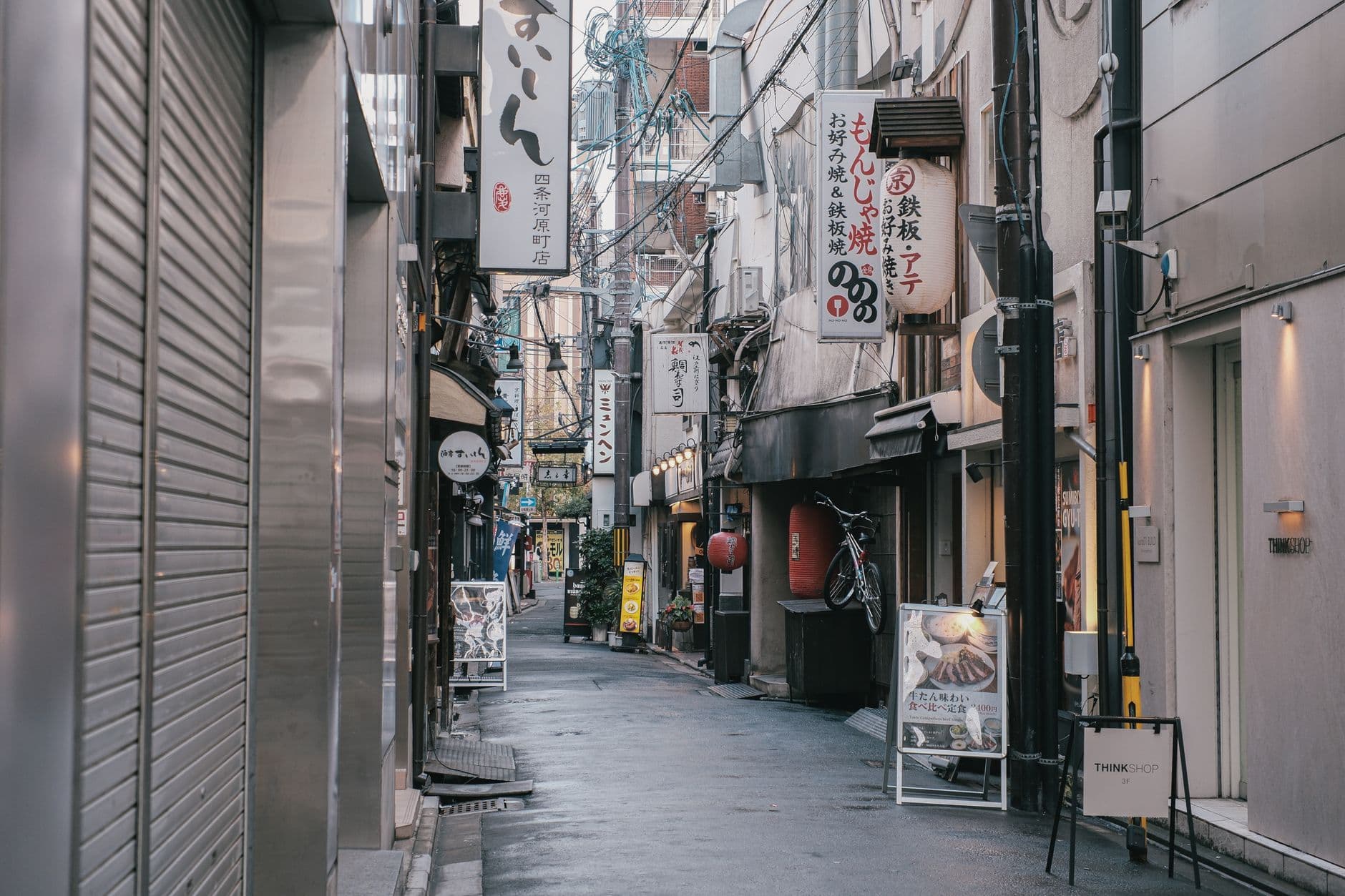
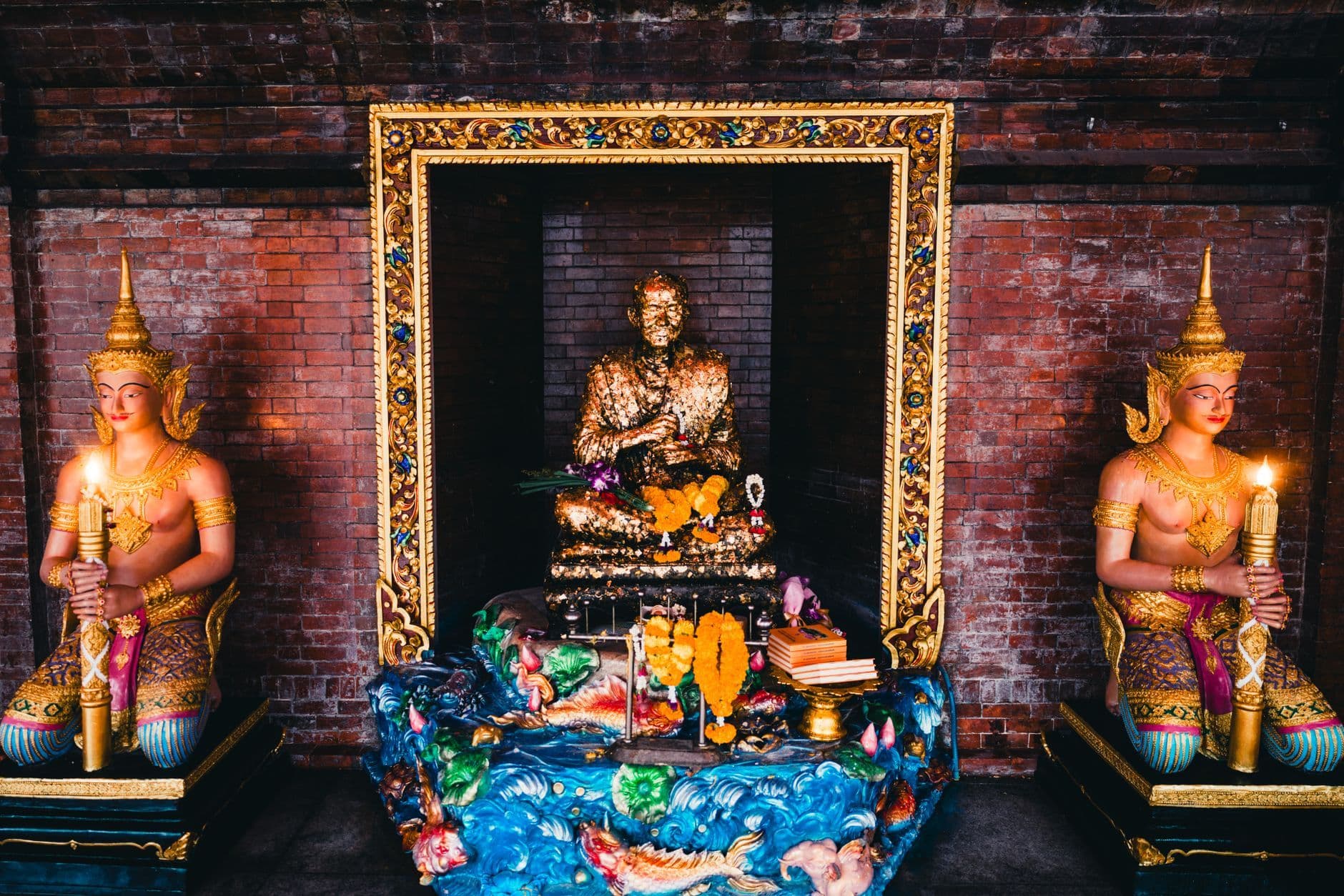
New destinations in Asia
The latest cities published on the continent.
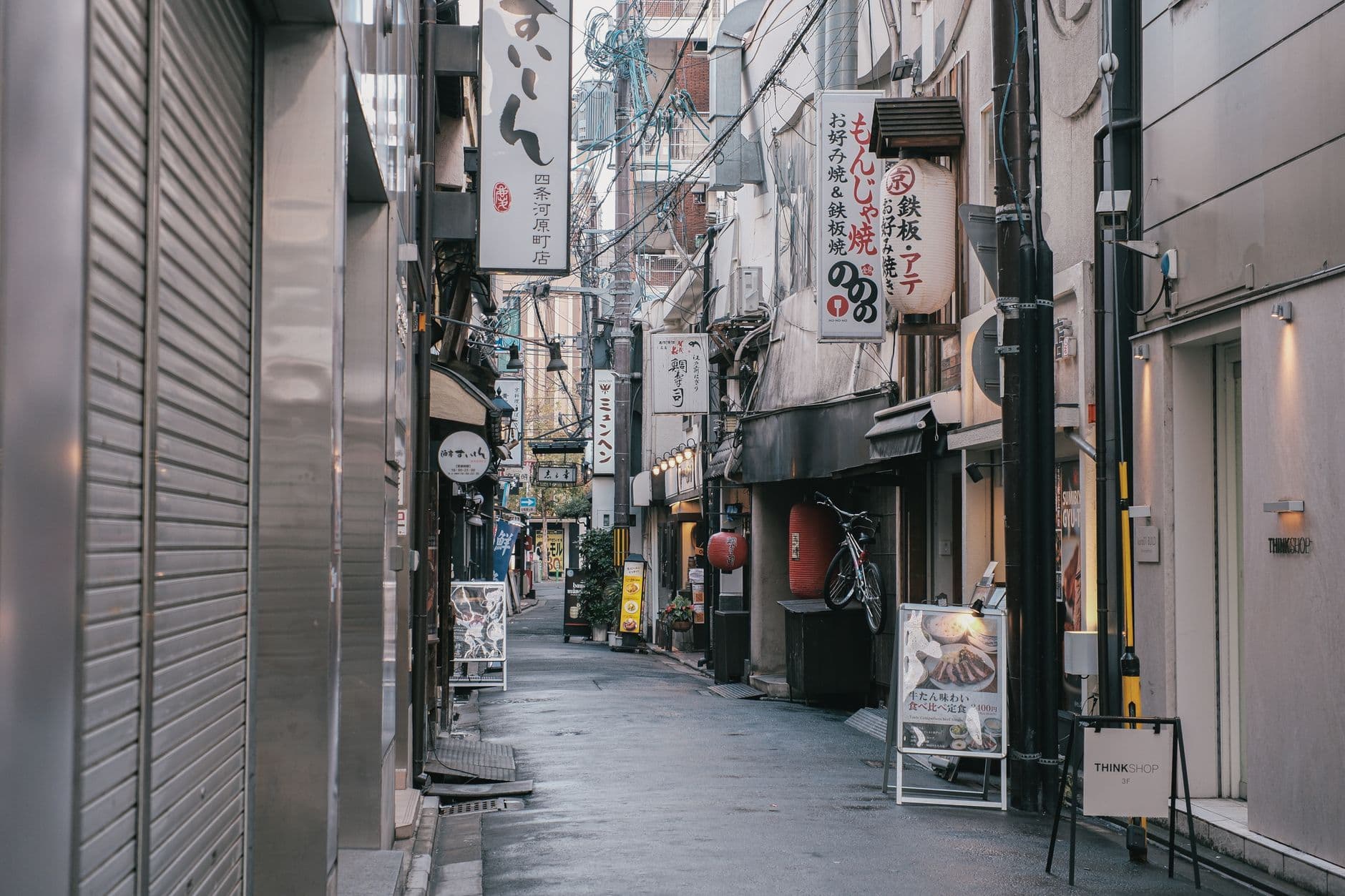
Cities to discover
Distinctive, lesser-known cities picked by our editors.
Asia travel guide
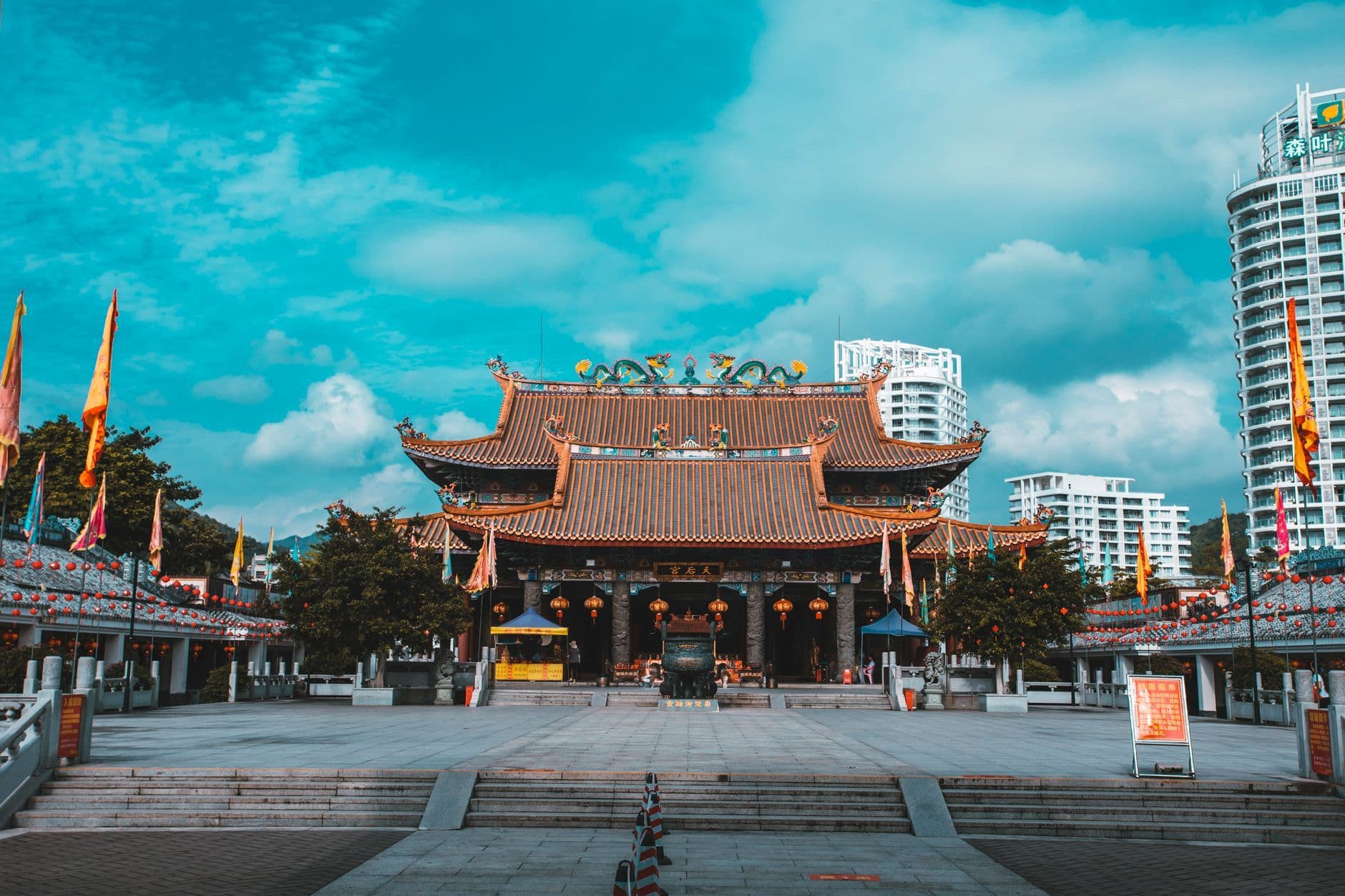
Asia is the world’s largest and most populous continent: from the Mediterranean shores of Anatolia to the Pacific archipelagos, it brings together megacities, deserts, mountains rising above 8,000 metres and ancient trade routes. A trip can combine Thailand’s temples, Tokyo’s contemporary neighbourhoods and Japan’s shrines, or follow the Silk Road through Uzbekistan, China and the Caucasus.
Its vast distances call for regional itineraries: two weeks are generally enough to explore one country or subregion in depth, while covering several areas requires flights and at least three or four weeks. Southeast Asia, East Asia, the Indian subcontinent, Central Asia and the Middle East differ in landscapes, cuisines, religions and infrastructure; visas, monsoons and public holidays should be checked before departure.
Geography
Covering around 44.6 million km², Asia stretches from the Arctic Ocean to the Equator and from the Mediterranean to the Bering Strait. The Himalayas and the Tibetan Plateau dominate the south-central region; Siberia and the taiga lie to the north, while the Gobi, the Arabian Peninsula, the Indo-Gangetic Plain and the Mekong Delta define other major regions.
For planning an itinerary, it is useful to divide the continent into West, Central, South, Southeast and East Asia. Seas and archipelagos make ferries and flights essential in Indonesia, the Philippines and Japan, while land borders are central to travel through the Caucasus, Indochina and along the Silk Road.
Climate
Asia’s climate ranges from the Siberian tundra to equatorial tropics. From December to February, Tokyo typically sees temperatures of around 2–10 °C, while Bangkok ranges from 23–32 °C; winter temperatures in continental Mongolia and Central Asia can fall below -20 °C, while summers often exceed 35 °C.
The monsoon brings most rainfall to India and mainland Southeast Asia between June and September, although island patterns vary. From July to October, typhoons and cyclones can affect the western Pacific, the Bay of Bengal and the South China Sea; high-altitude areas require warm gear even in summer.
Culture
Asian cultures encompass Sino-Tibetan, Indo-European, Austronesian, Dravidian, Turkic and Semitic language families. Mandarin is predominant in China and Taiwan, Russian remains widely spoken in Central Asia, and English is useful in major tourist centres and airports.
Rice, noodles, bread, pulses, fish and spices vary greatly between the Levant, India, China, Korea and Southeast Asia. Shoes should be removed and shoulders and knees covered at many Buddhist and Hindu temples; tipping is not customary in Japan, while bargaining in Thailand’s markets depends on the setting and does not apply in fixed-price shops.
Getting around
Key intercontinental gateways include Tokyo-Haneda, Tokyo-Narita, Seoul-Incheon, Singapore-Changi, Bangkok-Suvarnabhumi, Hong Kong, Delhi, Doha and Dubai. For long distances, domestic and regional flights are often essential; high-speed rail efficiently connects the major cities of Japan, China, South Korea and Taiwan.
Getting around Asia depends on the region: metro systems and railways are extensive in the most urbanised areas, buses and minivans prevail across many rural areas, and ferries serve the archipelagos. Driving licences, road conditions and border crossings vary by country; some borders require permits or remain closed to foreign travellers.
When to go
When deciding when to visit Asia, it is important to distinguish between regions. October to April brings drier weather to much of Thailand and Indochina; March to May and September to November suit Japan, Korea and eastern China; March to April and October to November are favourable for trekking in Nepal.
High season often coincides with Christmas and New Year in Southeast Asia, cherry blossom season from March to April in Japan, and Lunar New Year, between January and February. The low monsoon season lowers prices but brings more rain and cancellations; Ramadan, Diwali and Golden Week affect opening hours, transport and availability, with dates changing every year.
Fun facts
- Mount Everest, on the border between Nepal and China, has an official height of 8,848.86 metres.
- Lake Baikal in Siberia holds around 20% of the planet’s unfrozen surface fresh water.
- Indonesia comprises more than 17,000 islands spread between the Indian and Pacific Oceans.
- The Tokaido Shinkansen has linked Tokyo and Osaka since 1964, when the world’s first high-speed railway line opened.
- The Mekong flows through or forms the border of six countries: China, Myanmar, Laos, Thailand, Cambodia and Vietnam.