
Europe
Historic capitals, varied coastlines and borderless itineraries
- Countries published
- 2
- Cities published
- 3
- Population
- 744.4M
- Area
- 10.2M km²
- Time zones
- 7
- Official languages
- 42
The countries
New destinations in Europe
The latest cities published on the continent.
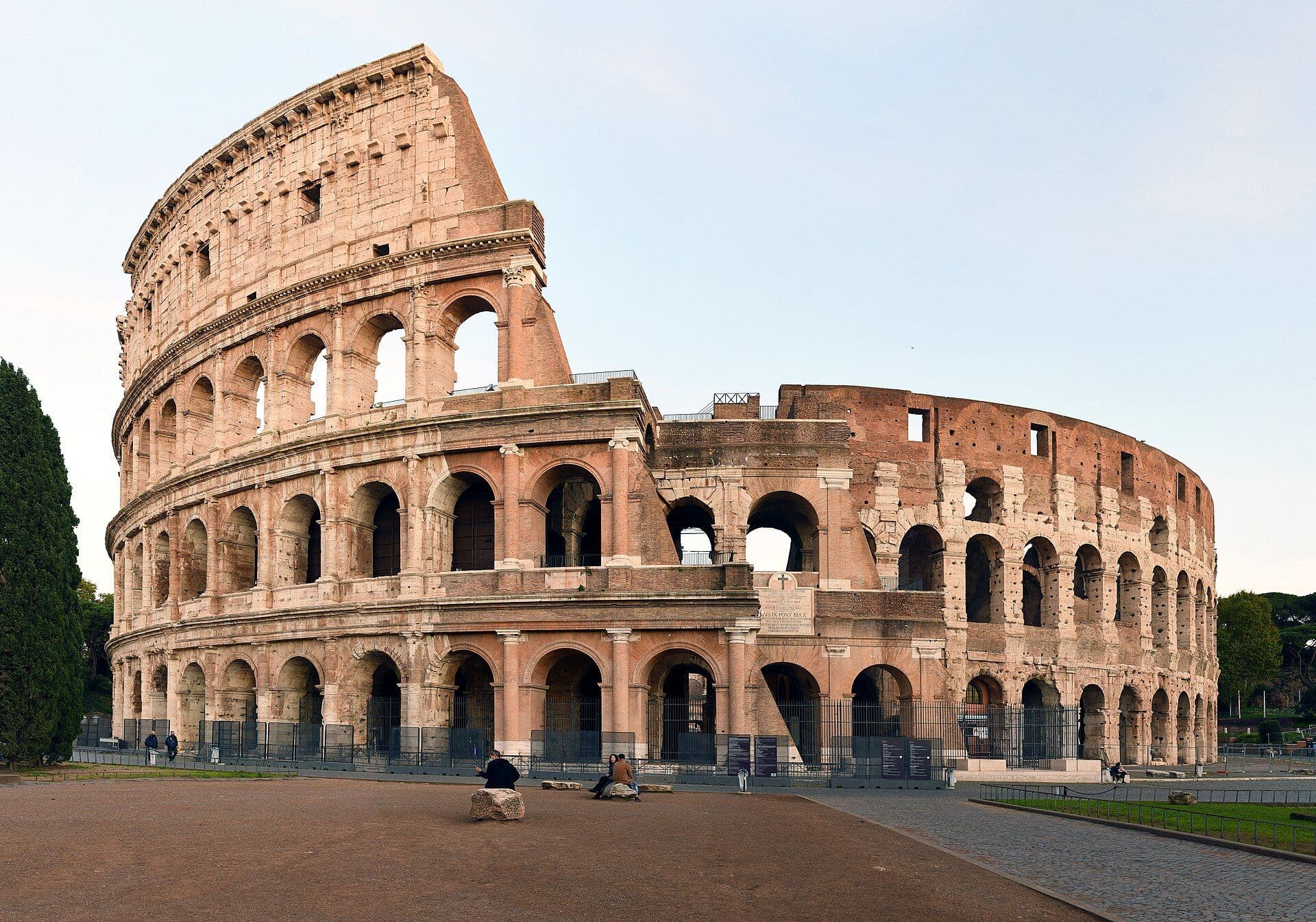
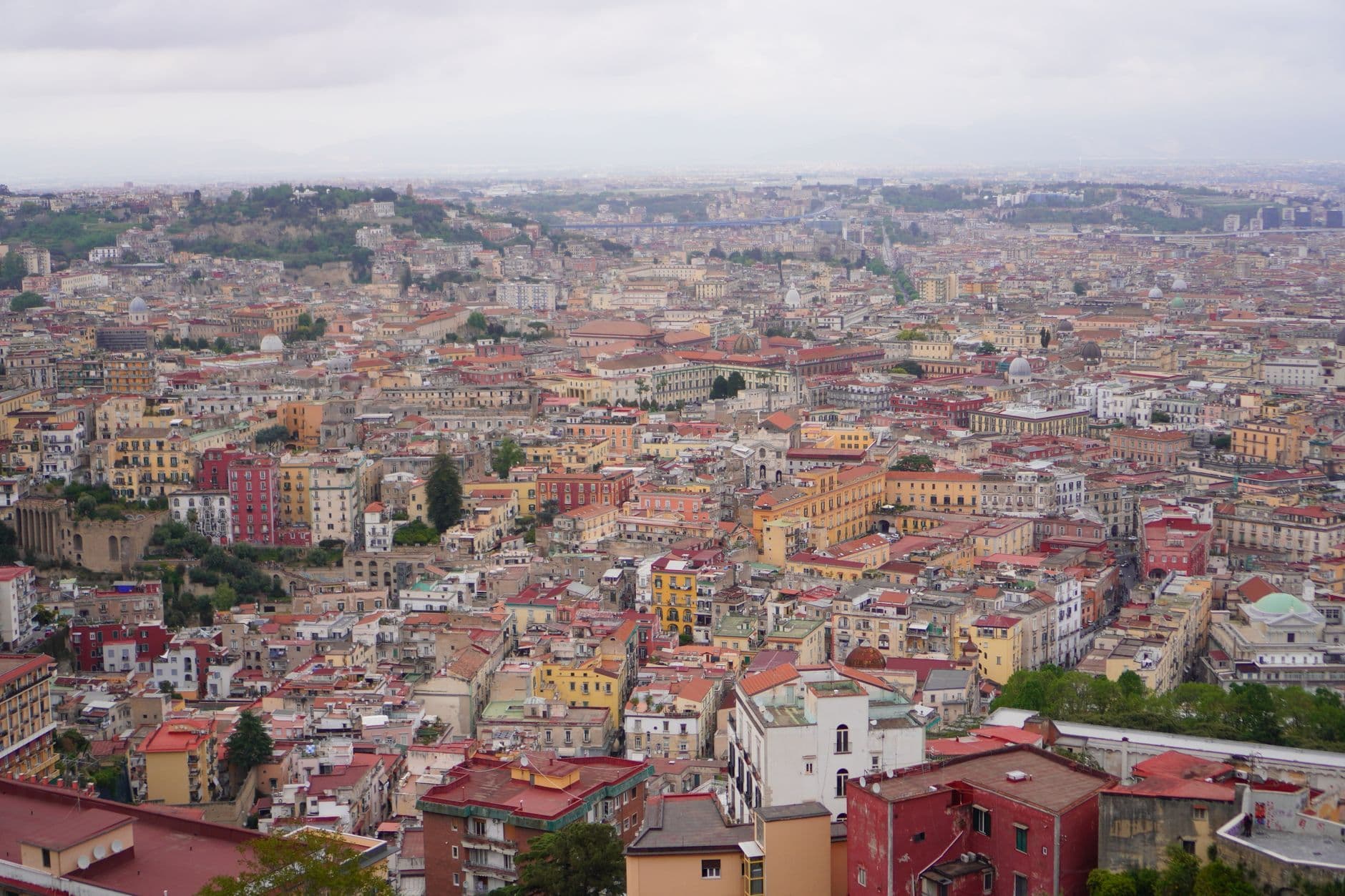
Cities to discover
Distinctive, lesser-known cities picked by our editors.
Europe travel guide
Europe packs ancient cities, museums, Mediterranean coastlines, Alpine regions and contemporary capitals into relatively short distances. Rail and air links make it easy to combine several countries in one itinerary, while the Schengen Area simplifies many border crossings. Rome offers imperial archaeology and the Vatican Museums; Palermo and Naples pair historic centres and markets with access to the Mediterranean.
A trip may follow the capitals of Central Europe, the beaches of Spain, the villages of Italy or Nordic landscapes. Differences in climate, costs and opening hours call for region-by-region planning: three- or four-day city breaks, two-week rail itineraries and beach stays each have their own seasons and pace.
Geography
Europe is bounded by the Atlantic to the west, the Arctic to the north and the Mediterranean to the south; to the east, the Ural Mountains, Ural River and Caucasus mark the conventional boundary with Asia. The Iberian, Italian, Balkan and Scandinavian peninsulas create extensive coastlines, with countless islands and archipelagos.
For planning purposes, Europe is commonly divided into Northern, Western, Central, Eastern and Southern Europe. The Alps, Pyrenees and Carpathians slow some overland routes, while plains and major rivers such as the Rhine and Danube shape rail corridors and port cities.
Climate
Europe’s climate varies sharply with latitude, altitude and distance from the ocean. Atlantic coasts have mild winters, cool summers and rainfall spread through the year; inland areas see colder winters and hot summers. Around the Mediterranean, July and August often exceed 30 °C, while winters are generally mild and wetter.
In Scandinavia and the Baltic regions, frost, snow and limited daylight are common from November to March; beyond the Arctic Circle, polar night and the midnight sun occur. In the Alps, snow suitable for skiing falls mainly between December and March, although conditions vary with altitude and aspect.
Culture
European culture reflects Latin, Germanic, Slavic, Nordic and Balkan traditions, with strong regional differences even within the same country. Mediterranean cuisines, Central European beers, Nordic fish and Balkan markets follow seasonal produce; dinner is generally eaten later in the Iberian Peninsula than in Northern Europe.
The Latin, Cyrillic and Greek alphabets coexist, while English is widely used in tourist services but does not always replace the local language. Appropriate clothing is required at places of worship; tipping, card payments and Sunday opening hours vary by country, so it is useful to check local customs and national holidays.
Getting around
To understand how to get around Europe, London Heathrow, Paris Charles de Gaulle, Amsterdam Schiphol, Frankfurt, Madrid-Barajas and Rome Fiumicino are major intercontinental hubs. Low-cost flights connect many cities, but baggage fees and transfers from secondary airports can add to both time and cost.
High-speed trains serve routes such as Paris–London, Madrid–Barcelona and Rome–Milan; night trains operate on several international routes. Long-distance coaches cover budget-friendly journeys, while a car is useful in rural areas. Driving licences, tolls and vignettes differ by country; on islands, ferries and domestic flights complete the network.
When to go
When deciding when to visit Europe, May, June, September and early October offer moderate temperatures and often fewer visitors than July and August around the Mediterranean. Summer is ideal for Scandinavia, Iceland and Alpine regions; December to March is ski season, while the Canary Islands remain mild even in winter.
Peak season coincides with summer, Christmas, Easter and school holidays, so flights and accommodation need to be booked ahead. The most popular events include Munich’s Oktoberfest between September and October, Central European Christmas markets from late November, and spring blooms in the Netherlands, especially from late March to mid-May.
Fun facts
- Vatican City is the world’s smallest sovereign state, with an area of about 0.44 km².
- The Danube crosses or borders ten countries and flows through Vienna, Bratislava, Budapest and Belgrade.
- The Gotthard Base Tunnel, at 57.1 km long, is the world’s longest railway tunnel.
- The Bosporus separates Istanbul’s European and Asian shores and connects the Black Sea with the Sea of Marmara.
- The Schengen Area includes 29 countries and has abolished systematic checks at internal borders.