
Italy
Art cities, Mediterranean coasts and Alpine landscapes
- Cities published
- 3
- Population
- 58.9M
- Area
- 302,068 km²
- Time zones
- UTC+1
- Official languages
- Italian
The cities
Emerging destinations in Italy
Cities that are genuinely growing as destinations, based on tourism data and travel trends.
Cities to discover in Italy
Distinctive, lesser-known cities picked by our editors.
Italy travel guide
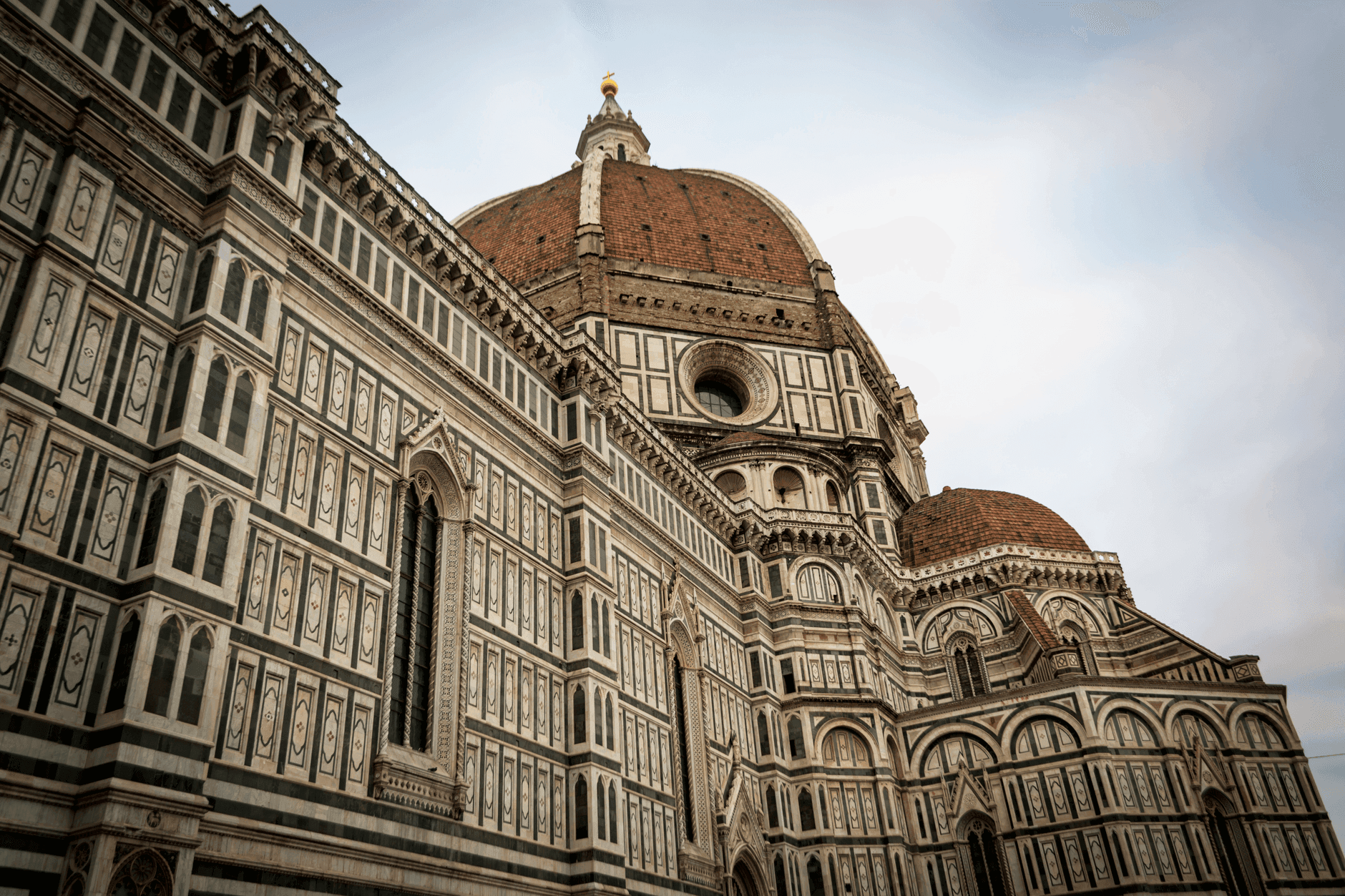
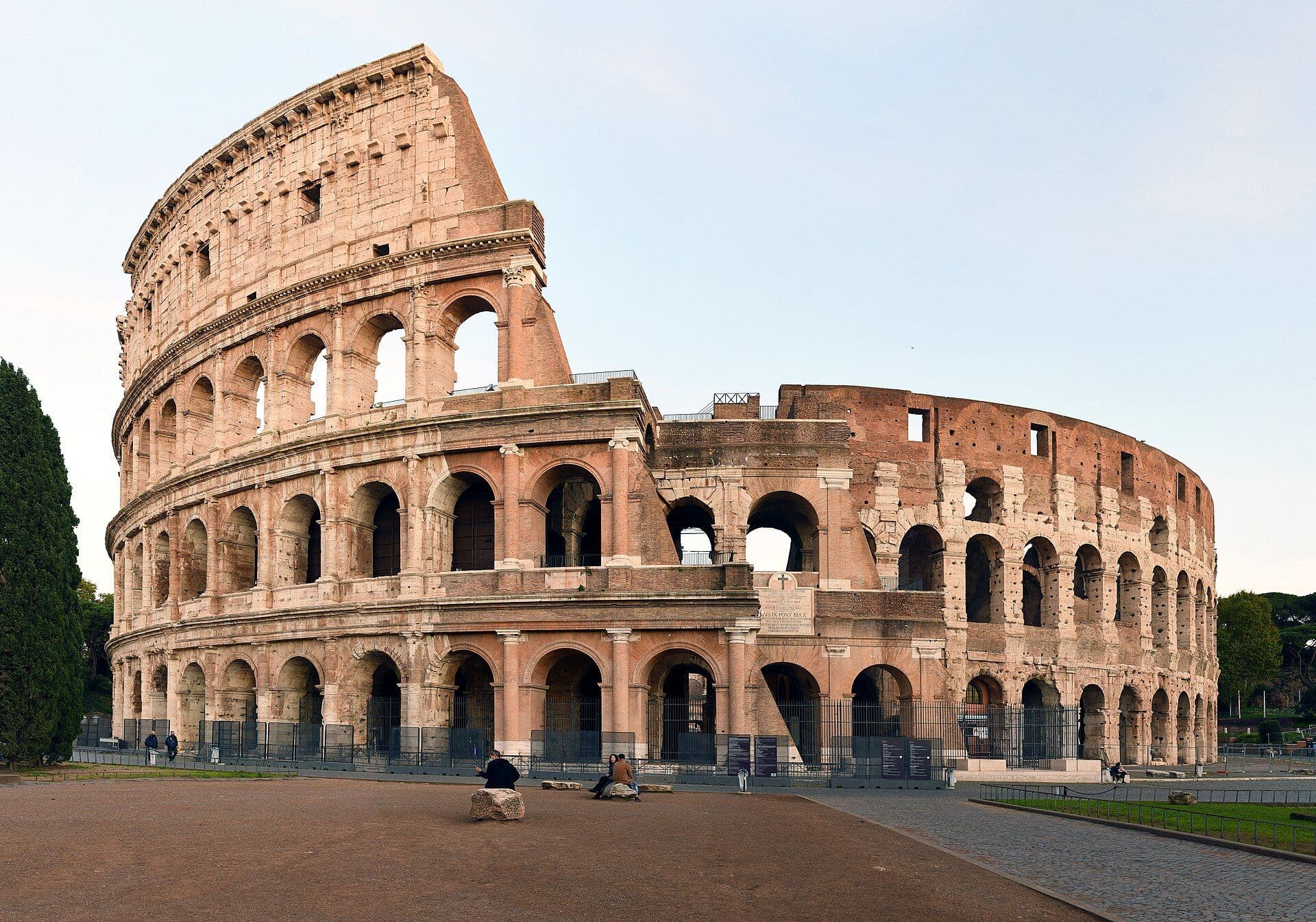
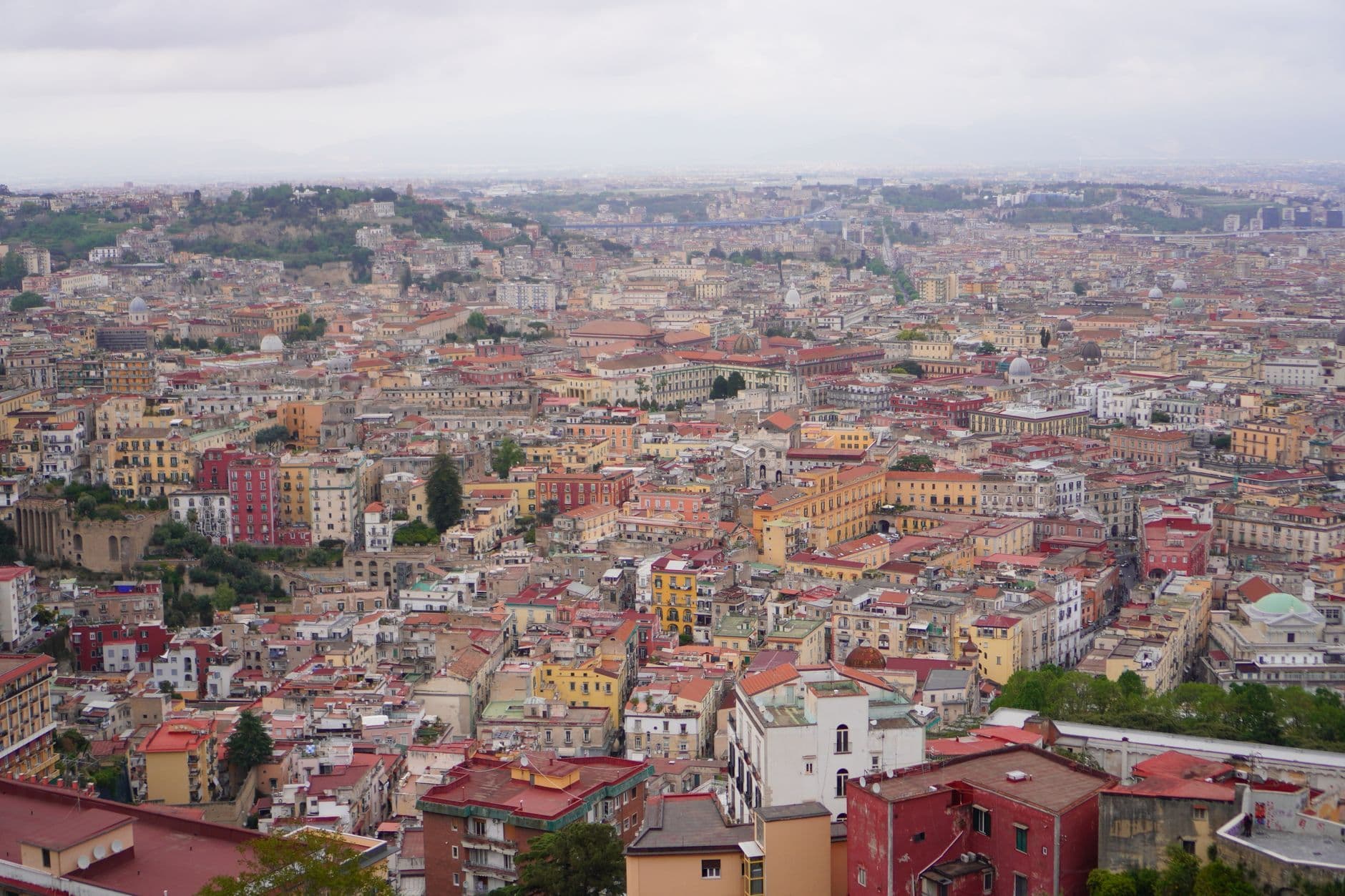
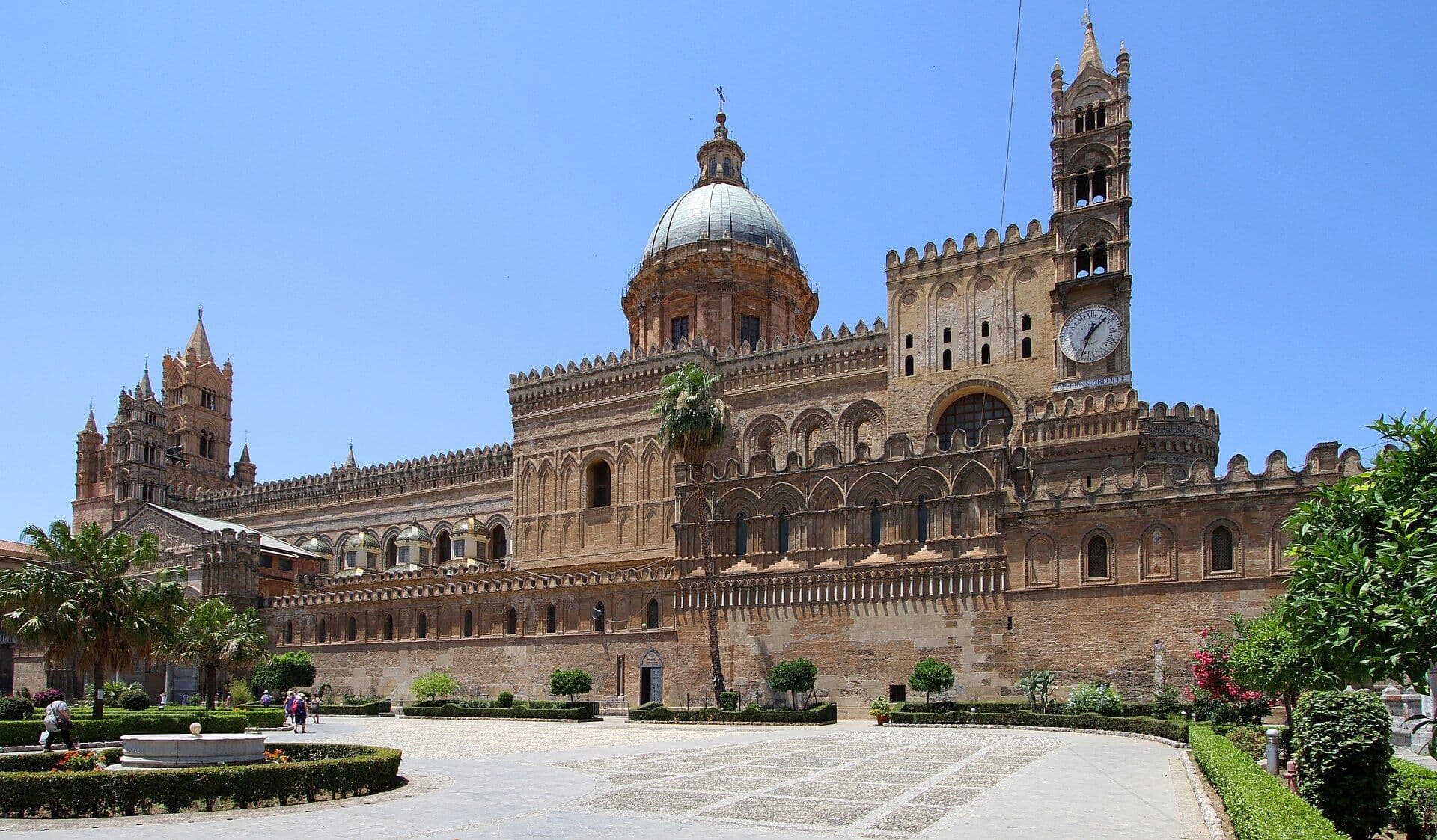
Stretching from the Alps to the heart of the Mediterranean, Italy combines art cities, archaeological sites, historic villages, mountains and over 7,000 kilometres of coastline. Rome brings together monuments from antiquity and the Baroque era; Naples is the gateway to Pompeii, Mount Vesuvius and the Amalfi Coast; Palermo introduces Arab-Norman architecture and Sicilian cuisine.
An itinerary can combine museums and historic centres with hiking in the Dolomites, beaches in Sardinia or vineyards in Tuscany. High-speed rail makes travel between major cities straightforward, while cars and ferries are better suited to rural areas and islands. Strong regional differences allow for focused stays: a cultural weekend, a beach holiday or a food-focused trip require different seasons and timeframes.
Geography
The Italian peninsula is bordered by the Alps to the north and crossed by the Apennines for around 1,200 kilometres. The Po Valley forms the main lowland corridor between Turin, Milan, Bologna and the Adriatic; the Tyrrhenian Sea lies to the west, the Adriatic to the east and the Ionian Sea to the south. Sicily and Sardinia are the largest islands.
The country has 20 regions and borders France, Switzerland, Austria and Slovenia. For planning an itinerary, the north is home to the Alps and major lakes, central Italy includes Tuscany, Umbria and Lazio, while southern Italy encompasses the peninsula’s southern regions and the islands.
Climate
Italy’s climate ranges from Alpine conditions at high elevations to a Mediterranean climate along the southern coasts. In the Po Valley, summers are hot and humid, often between 28 and 33 °C, while winters can bring fog and temperatures close to 0 °C. Along the southern coasts, winter is milder, generally between 10 and 16 °C during the day.
Rainfall is more frequent in spring and autumn; in the Alps, snow is mainly found from December to March. July and August are the hottest and driest months in the Mediterranean regions.
Culture
Italian is the official language; German, French, Slovenian, Sardinian and other historical languages are protected in specific areas. Cuisine and traditions vary considerably between regions: egg pasta in Emilia-Romagna, risotto in the north, pizza in Campania, and citrus- and seafood-based dishes in Sicily.
Lunch is generally served between 12:30 and 14:30, with dinner from 19:30 onwards. In restaurants, the cover charge must appear on the menu, and tipping is not compulsory. Many churches require shoulders and knees to be covered, particularly during services.
Getting around
For getting around Italy, the main air gateways are Rome Fiumicino, Milan Malpensa, Venice and Bergamo; domestic flights are especially useful for Sicily and Sardinia. Trenitalia and Italo operate high-speed services connecting Turin, Milan, Bologna, Florence, Rome, Naples and Salerno, while regional trains serve smaller towns.
A car is useful in rural areas, but toll motorways, limited parking and restricted traffic zones require planning. Regular ferries connect the peninsula with Sicily, Sardinia and smaller islands; in large metropolitan cities, buses and trams cover urban travel.
When to go
When to visit Italy depends on the region and planned activities. April to June and September to October offer mild temperatures for art cities, coasts and hiking, with generally lower visitor numbers than in July and August. For beach holidays, the most reliable season runs from June to September; in the Alps, July and August suit hiking, while skiing is concentrated between December and March.
High season includes summer, Easter and the Christmas holidays. Venice Carnival takes place between February and March; the Palio di Siena is held on 2 July and 16 August.
Fun facts
- Italy has the highest number of properties inscribed on the UNESCO World Heritage List.
- Vatican City and San Marino are sovereign states entirely surrounded by Italian territory.
- The University of Bologna, conventionally founded in 1088, is considered the oldest university in the Western world still in operation.
- Campione d’Italia is an Italian exclave surrounded by the Swiss canton of Ticino.
- Five of the twenty regions have special autonomous status: Sicily, Sardinia, Aosta Valley, Trentino-Alto Adige and Friuli-Venezia Giulia.