
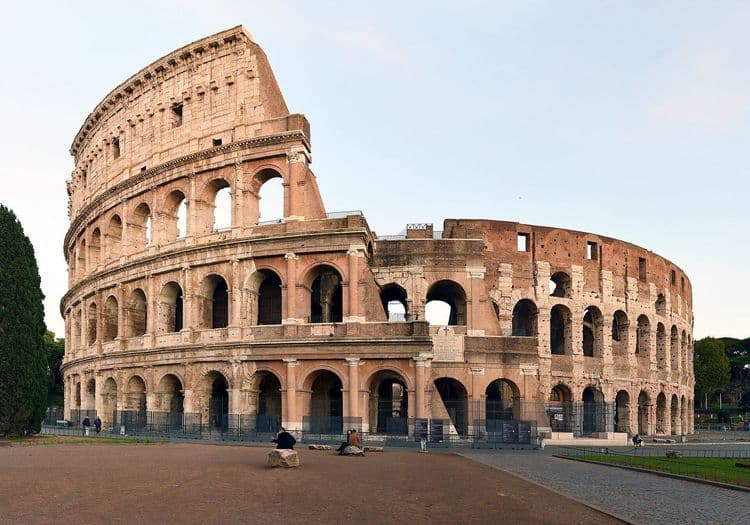
 TOPFoto: FeaturedPics · CC BY-SA 4.0 · Wikimedia Commons
Colosseum
Colosseum1-2h
Rome’s landmark amphitheatre, with routes through the arena, stands and underground areas depending on the ticket.
- Archaeology
- Arena
- Imperial Rome
Plan your trip to Rome: what to see, when to visit, where to stay and how to get around, with area guides, transport, weather and practical tips.
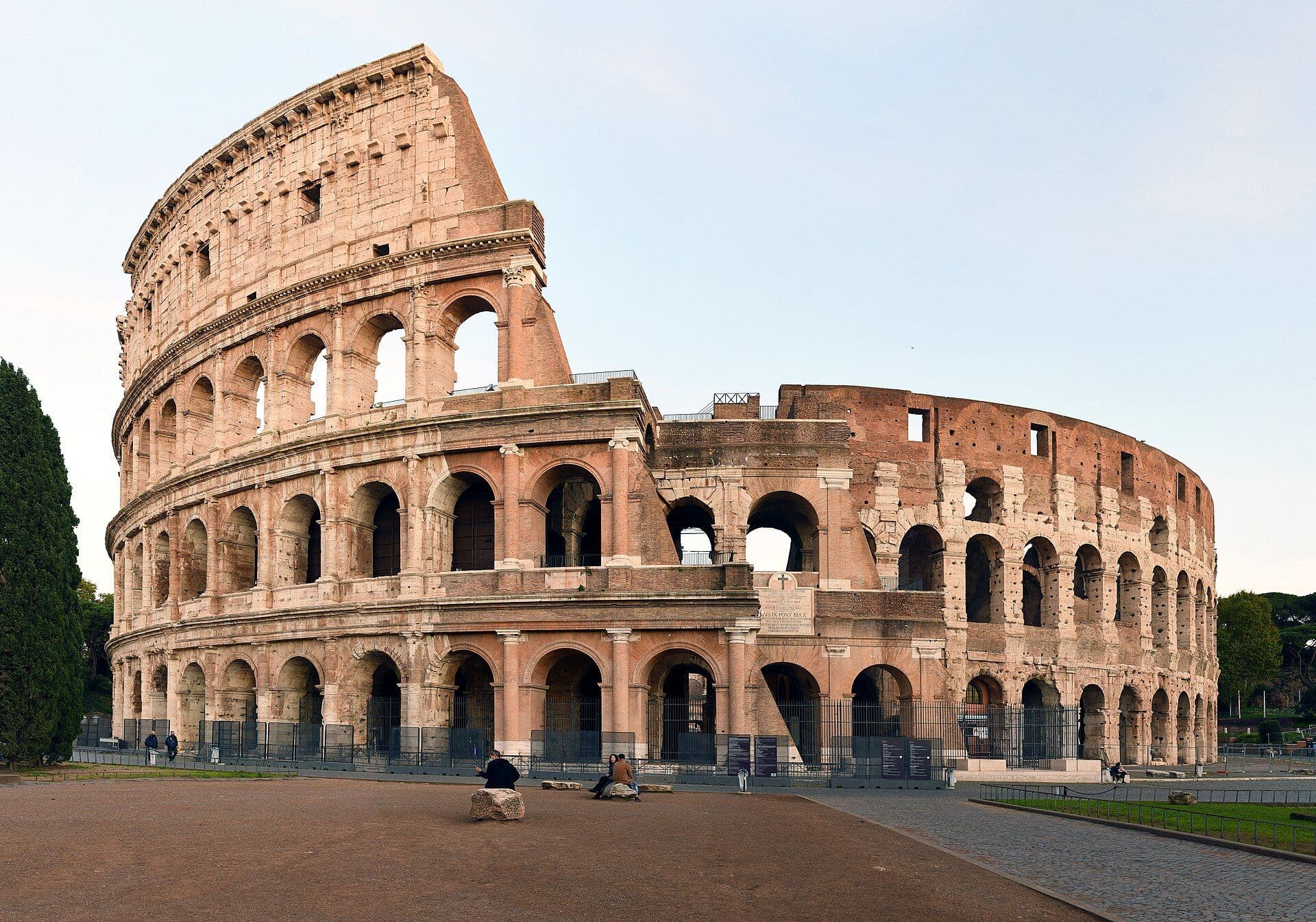 Foto: FeaturedPics · CC BY-SA 4.0 · Wikimedia Commons
Rome packs nearly 3,000 years of history into a vibrant urban fabric. The Colosseum, Roman Forum and Baths tell the story of the ancient capital; the Pantheon, squares and fountains define its Baroque character, while the Vatican brings together some of the world’s most visited religious and museum sites. The city is best understood area by area, alternating booked attractions with markets, trattorias and evening walks.
Traditions such as osteria cooking, neighbourhood aperitivo and the evening stroll sit alongside a strong local everyday life, especially in Testaccio, Trastevere and Monti. Rome is ideal for travellers seeking art, archaeology, architecture and food who are happy to walk extensively. It is less suited to those wanting a compact, quiet destination or a trip without planning: distances, traffic, summer heat and queues can slow the day down. Booking the Colosseum, Vatican Museums and Galleria Borghese leaves room for spontaneity elsewhere.
Rome has a Mediterranean climate, with hot, dry summers and generally mild winters. Spring and early autumn offer the best conditions for walking.
| Season | Climate | Why go |
|---|---|---|
| Spring(Mar–May) | Mild and changeable, 6–24°C | Long days and blooming gardens |
| Summer(Jun–Aug) | Hot and dry, 16–32°C | Evening events and very long days |
| Autumn(Sep–Nov) | Mild and rainy, 8–27°C | Mild weather and fewer crowds |
| Winter(Dec–Feb) | Cool and damp, 3–14°C | Quieter museums and lower prices |
Attractions are spread across Ancient Rome, the Baroque centre, the Vatican and its neighbourhoods. It is best to devote each half-day to one area.
TOPFoto: FeaturedPics · CC BY-SA 4.0 · Wikimedia CommonsRome’s landmark amphitheatre, with routes through the arena, stands and underground areas depending on the ticket.
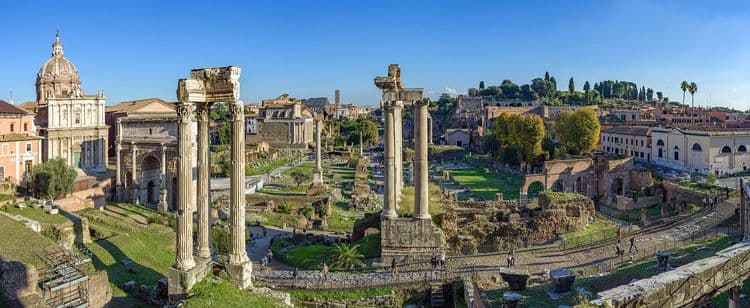 Foto: This Photo was taken by Wolfgang Moroder. Feel … · CC BY-SA 3.0 · Wikimedia Commons
The political heart of ancient Rome and hill of imperial residences, combined in a vast archaeological site.
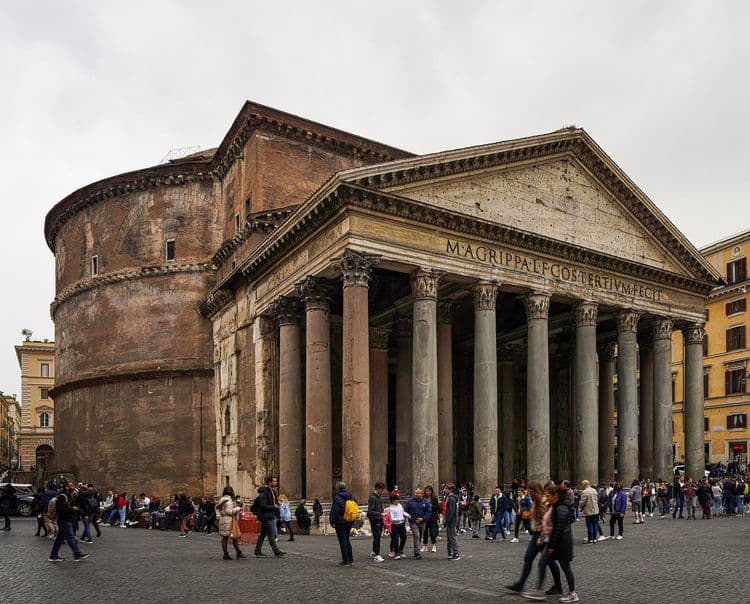 Foto: NikonZ7II · CC BY-SA 4.0 · Wikimedia Commons
Roman temple turned basilica, known for its concrete dome and central oculus.
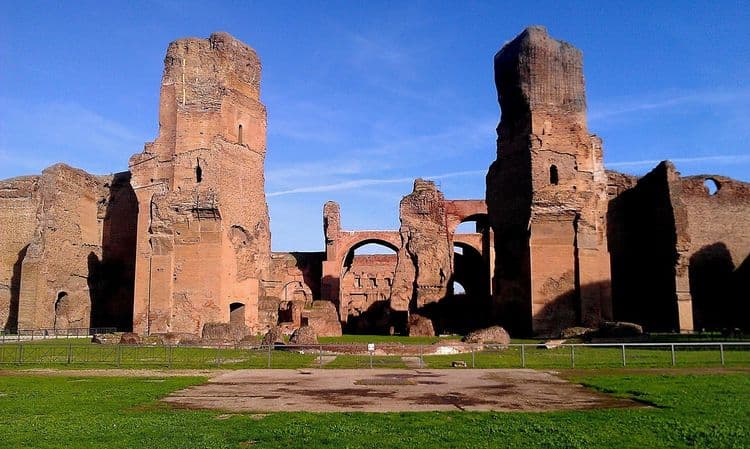 Foto: Ethan Doyle White · CC BY-SA 4.0 · Wikimedia Commons
Vast imperial bath complex with mosaics, grand halls and clearly visible monumental remains.
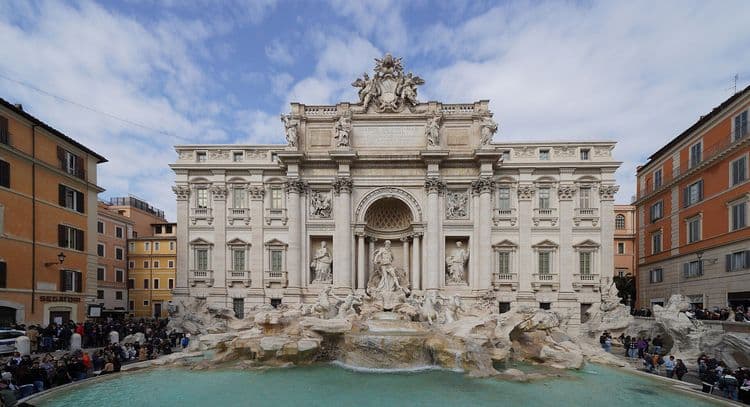 TOPFoto: NikonZ7II · CC BY-SA 4.0 · Wikimedia Commons
Monumental Baroque fountain set among central palaces, especially atmospheric in the evening.
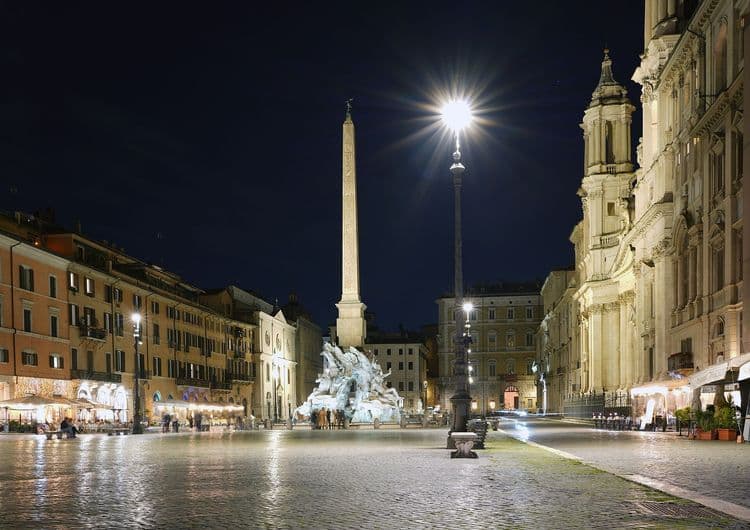 Foto: NikonZ7II · CC BY-SA 4.0 · Wikimedia Commons
Baroque square shaped like an ancient stadium, animated by fountains, palaces and street artists.
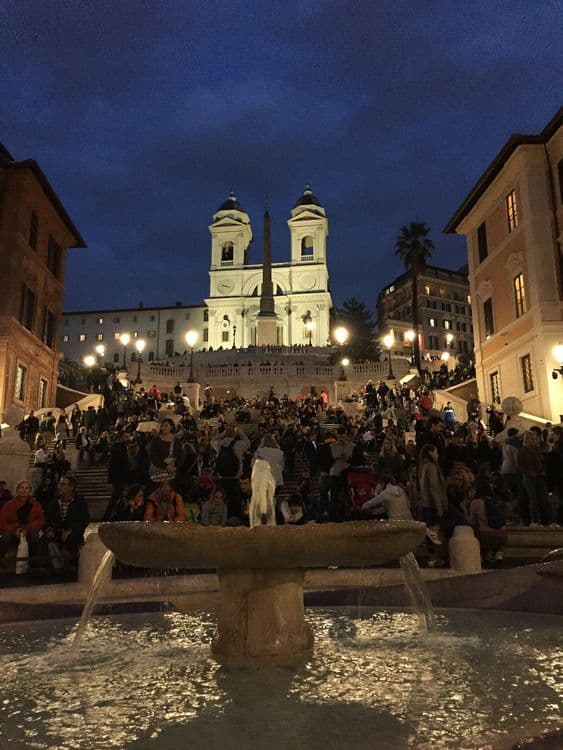 Foto: Photo2023 · CC BY 4.0 · Wikimedia Commons
Scenic staircase linking the square to the church, a central point for walks in the historic centre.
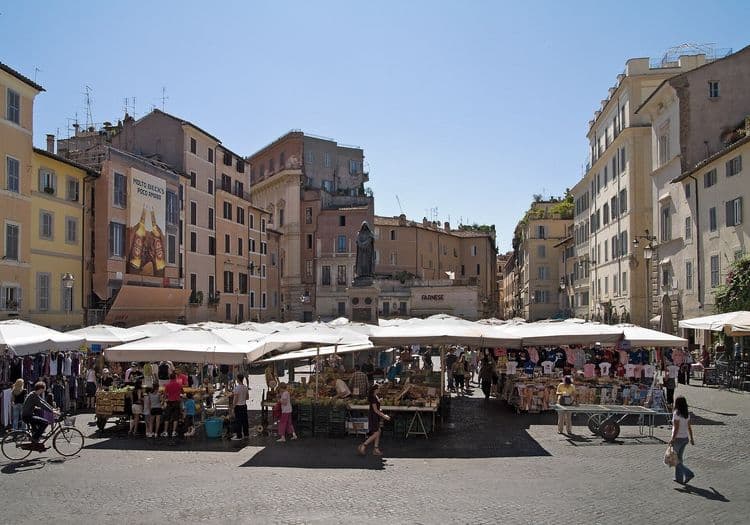 Foto: Myrabella · CC BY-SA 3.0 · Wikimedia Commons
Square with a morning market and evening venues, tied to everyday life in the historic centre.
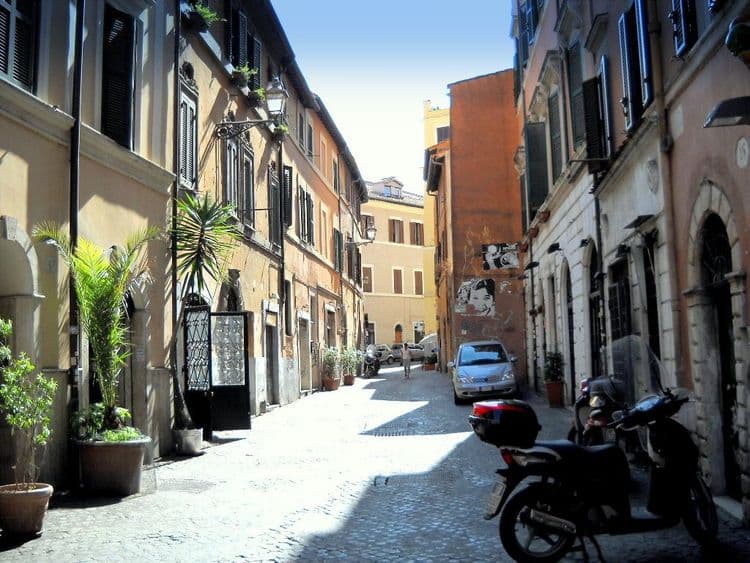 Foto: Gobbler · CC BY-SA 3.0 · Wikimedia Commons
Neighbourhood of lanes, squares and trattorias, best known for evening walks and nightlife.
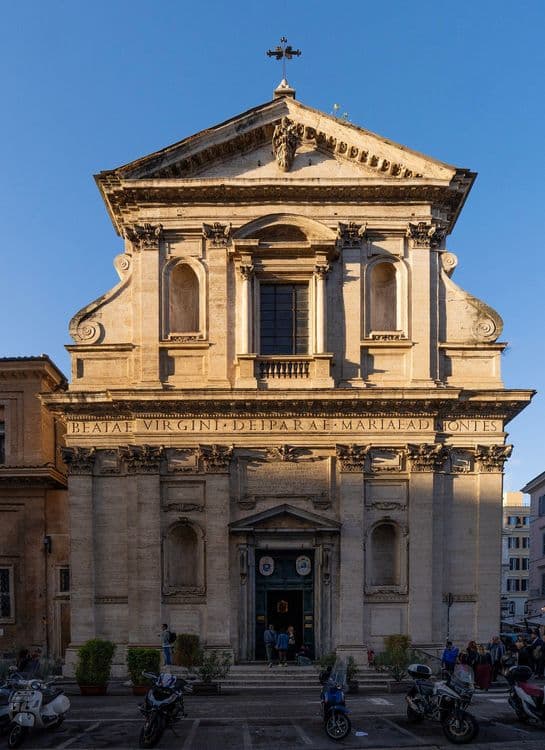 Foto: Fiat 500e · CC BY 4.0 · Wikimedia Commons
Central district with cobbled streets, independent shops, bars and views between the station and Colosseum.
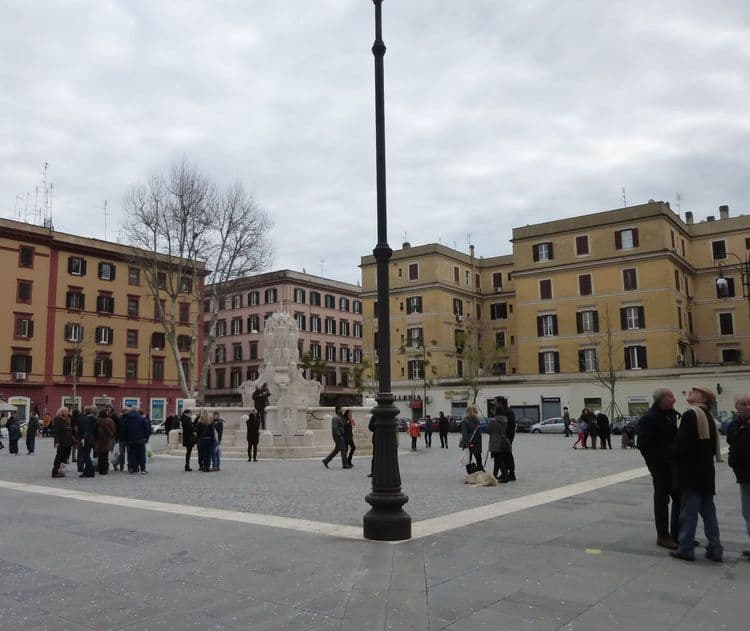 Foto: Lalupa · CC BY-SA 4.0 · Wikimedia Commons
Working-class neighbourhood associated with Roman food, markets and the city’s industrial history.
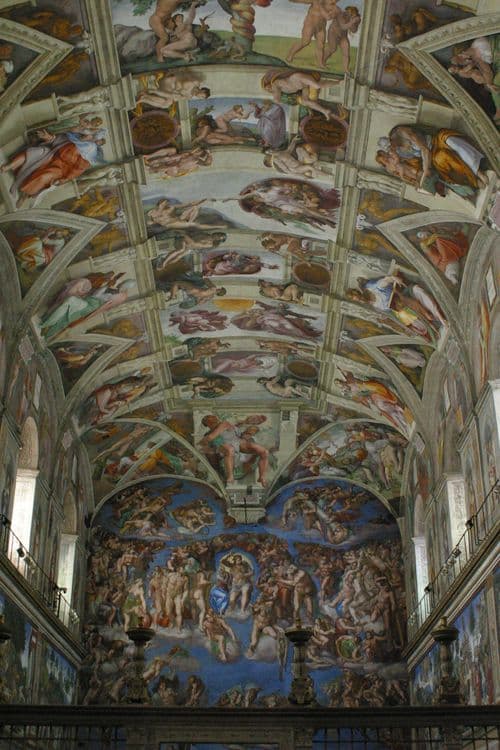 TOPFoto: Fabio Poggi · CC BY 3.0 · Wikimedia Commons
Vast papal collections culminating in the Sistine Chapel frescoes; advance booking is strongly recommended.
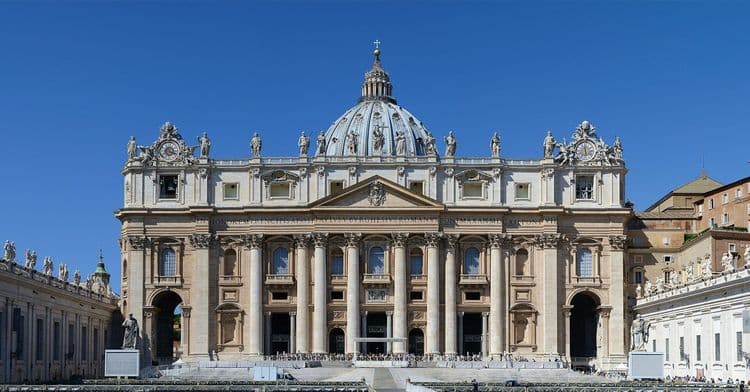 Foto: Alvesgaspar · CC BY-SA 4.0 · Wikimedia Commons
The great basilica of Christianity, with Renaissance and Baroque works; security checks are required at entry.
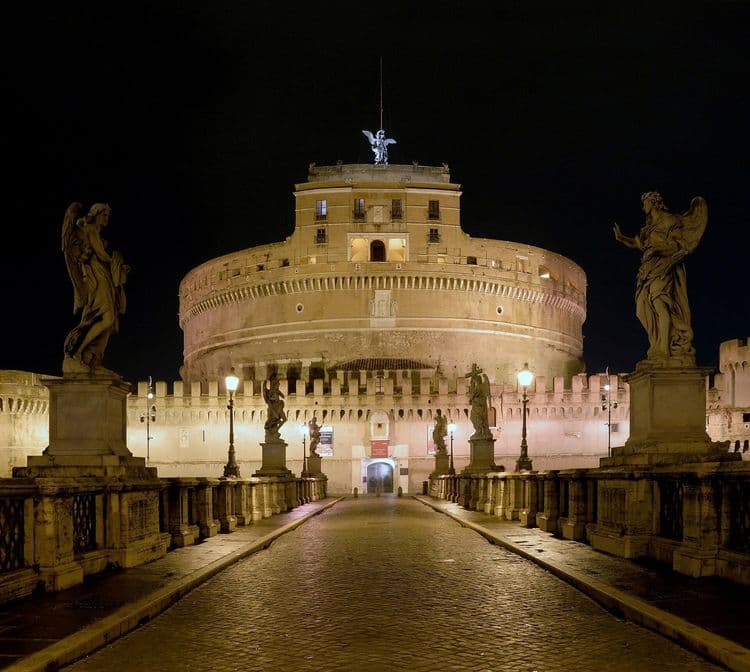 Foto: Livioandronico2013 · CC BY-SA 4.0 · Wikimedia Commons
Roman mausoleum turned papal fortress, with historic rooms and a panoramic terrace.
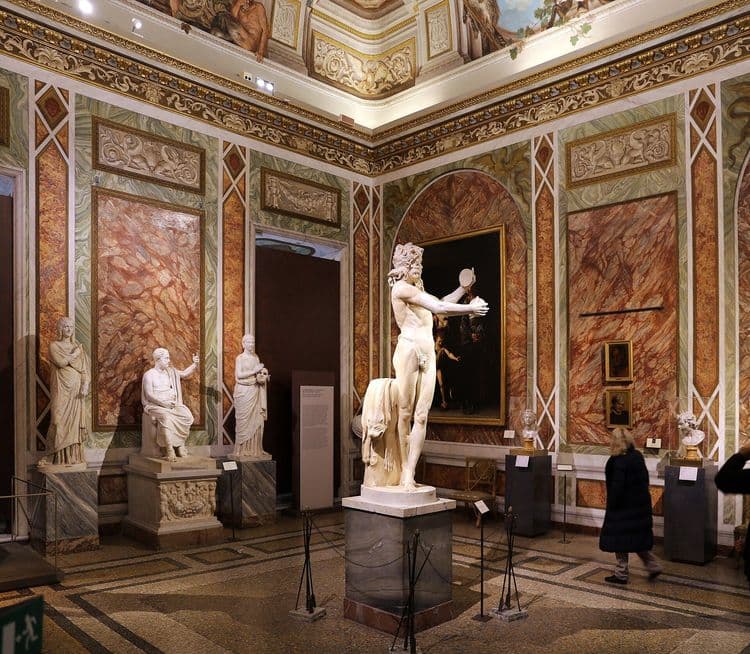 Foto: Sailko · CC BY 3.0 · Wikimedia Commons
Museum with masterpieces by Bernini, Caravaggio and Canova, accessible by timed reservation.
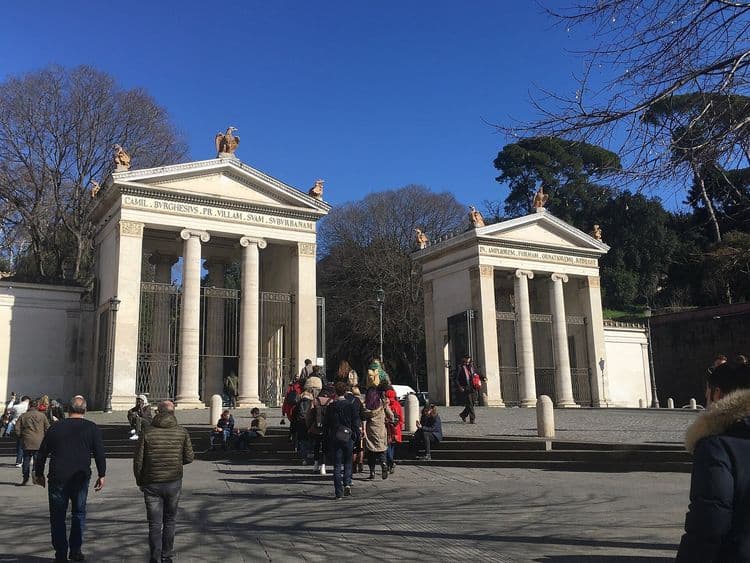 Foto: Oursana · CC0 · Wikimedia Commons
Large central park with tree-lined avenues, lakes, museums and spaces for a break.
I punti principali della città. Tocca un segnaposto per ritrovarlo tra le schede sotto la mappa.
Più economico a gennaio, più caro a giugno.
Stima indicativa per una doppia in hotel 3-4★ in zona centrale. I prezzi reali dipendono da date ed eventi.
| gennaio | 145 € |
|---|---|
| febbraio | 150 € |
| marzo | 180 € |
| aprile | 225 € |
| maggio | 240 € |
| giugno | 245 € |
| luglio | 220 € |
| agosto | 180 € |
| settembre | 235 € |
| ottobre | 220 € |
| novembre | 165 € |
| dicembre | 195 € |
Foto: FeaturedPics · CC BY-SA 4.0 · Wikimedia CommonsBooking.com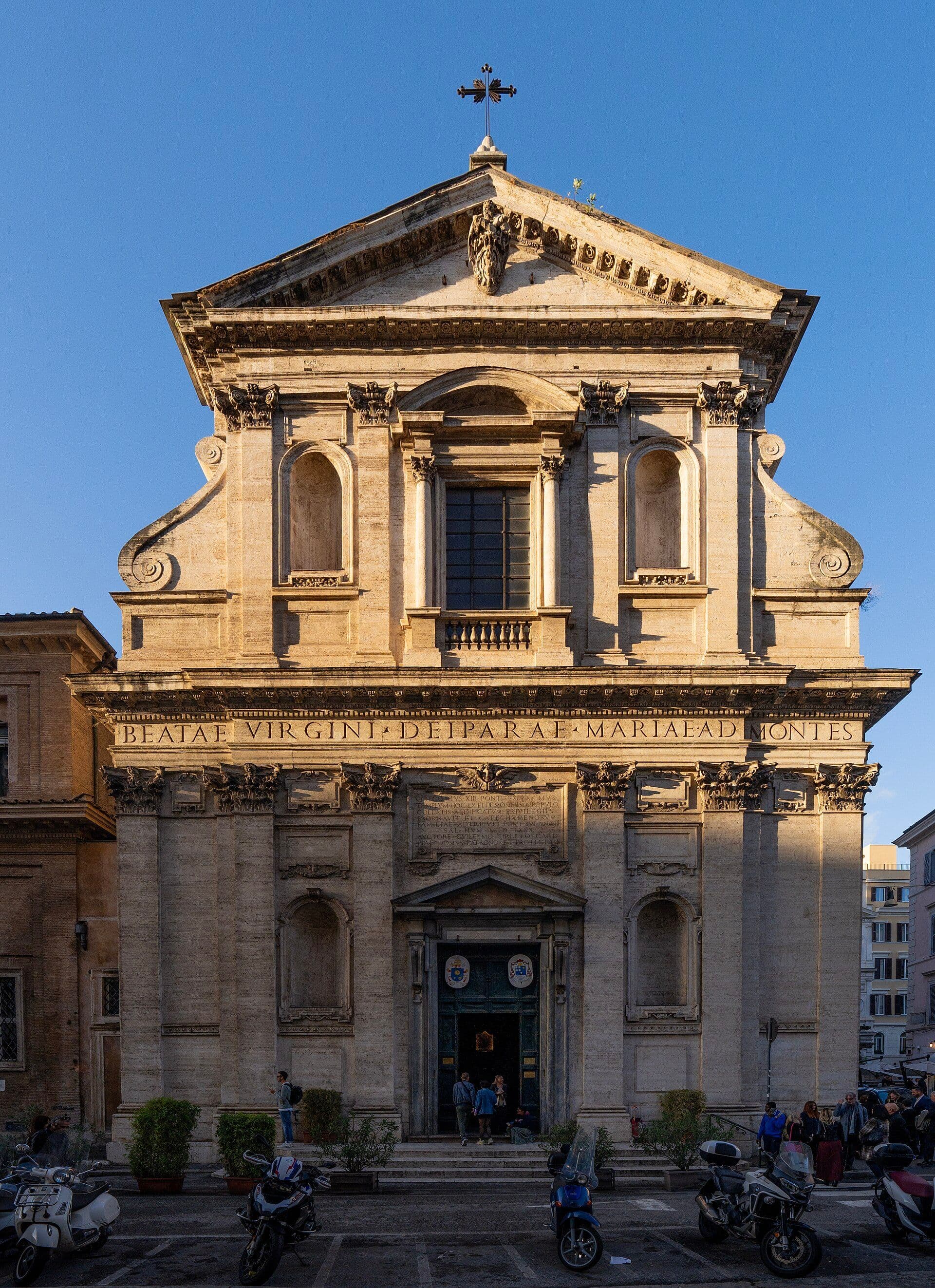 Foto: Fiat 500e · CC BY 4.0 · Wikimedia CommonsBooking.com
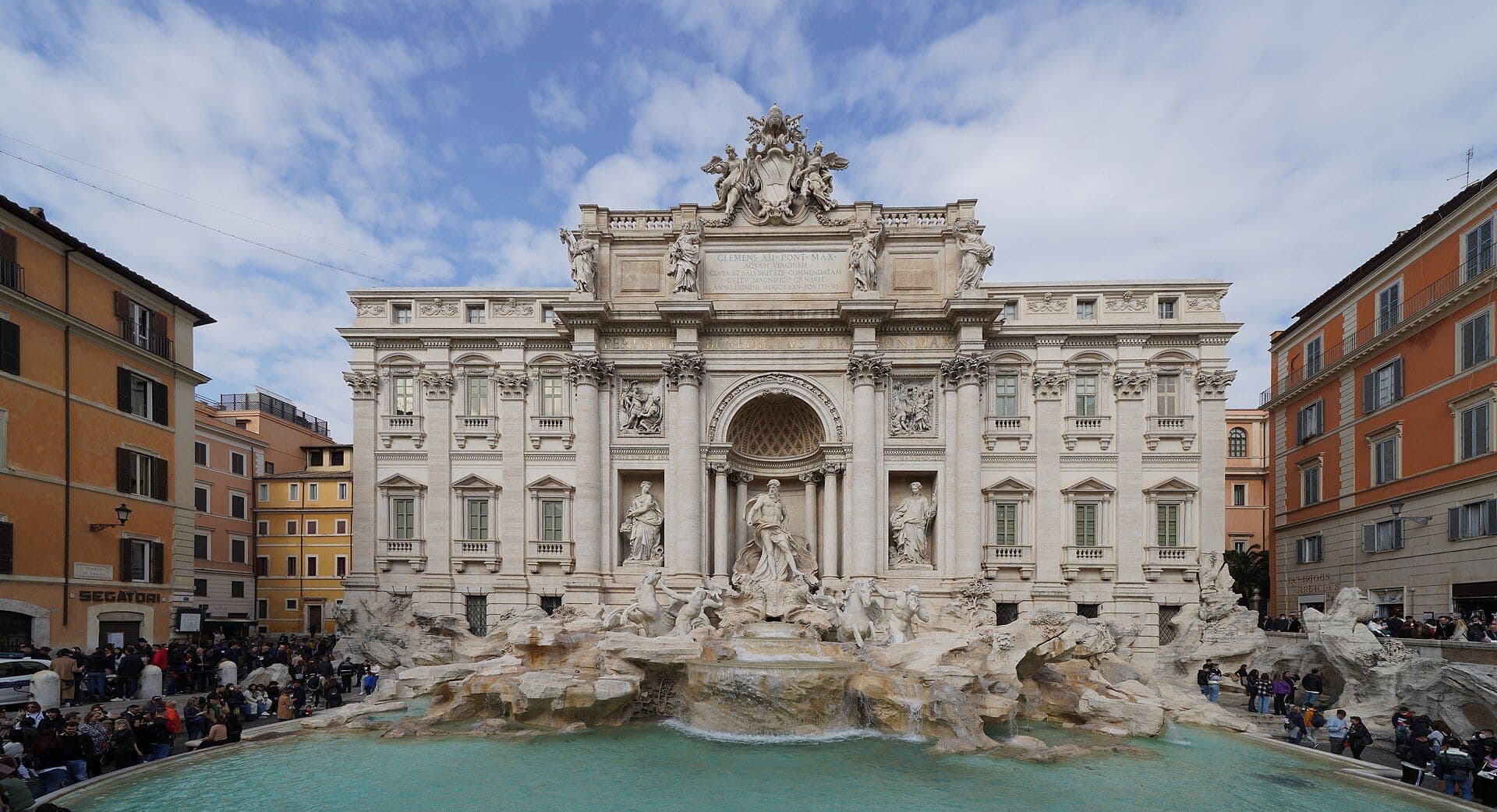 Foto: NikonZ7II · CC BY-SA 4.0 · Wikimedia CommonsBooking.com
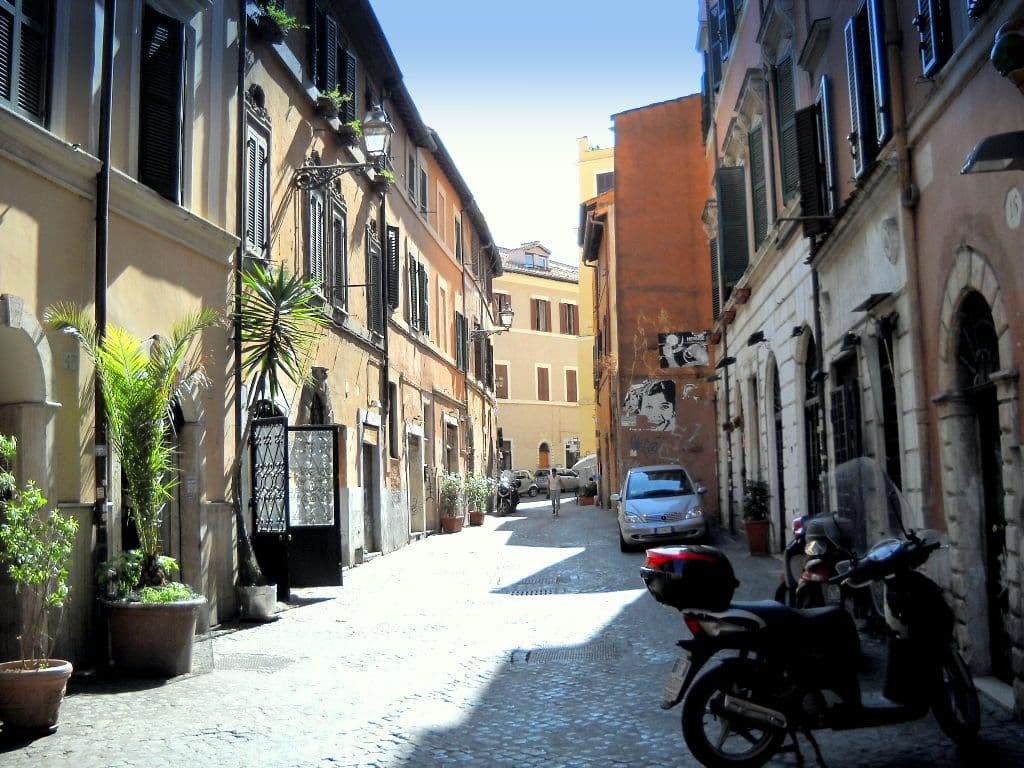 Foto: Gobbler · CC BY-SA 3.0 · Wikimedia CommonsBooking.com
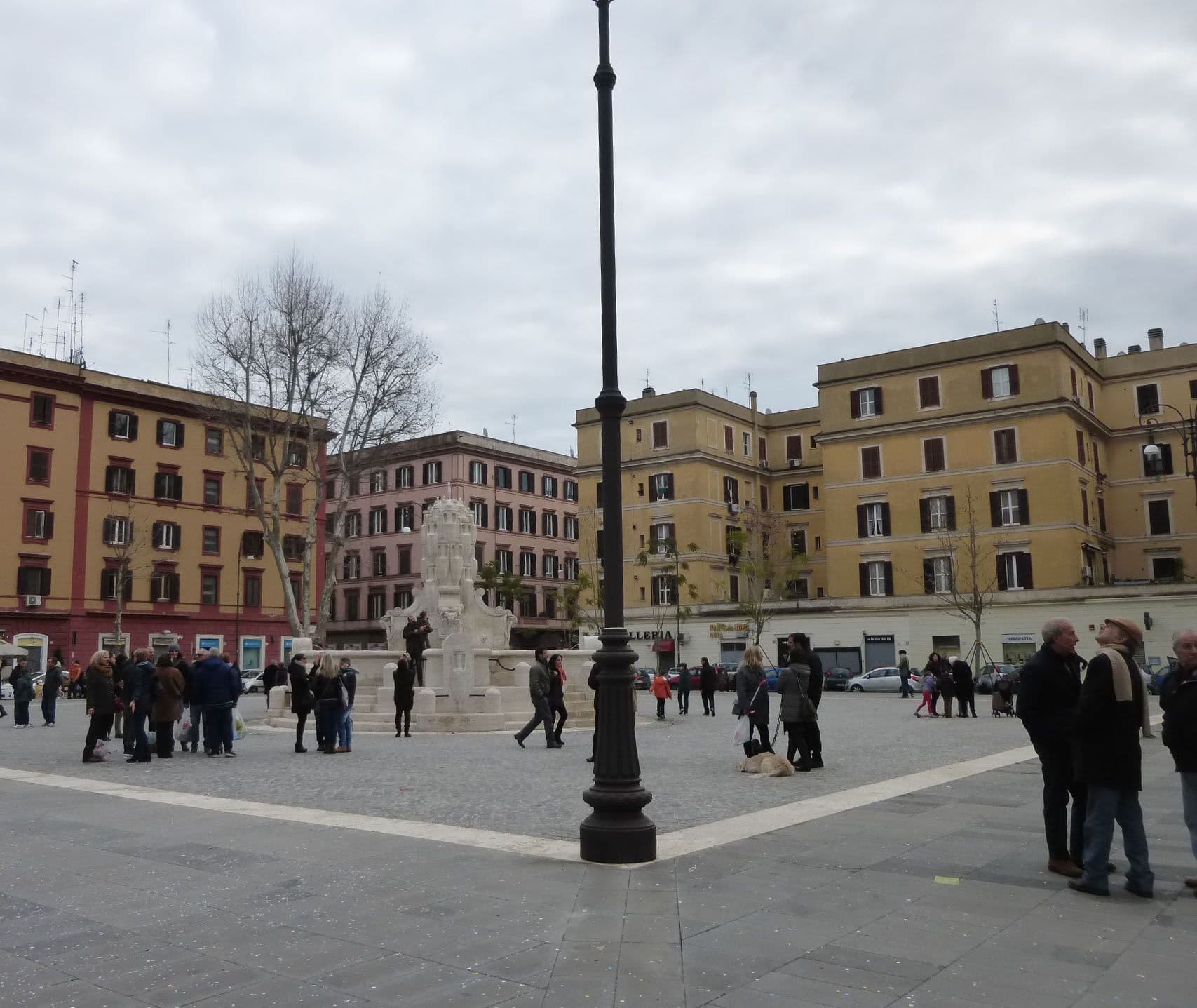 Foto: Lalupa · CC BY-SA 4.0 · Wikimedia CommonsBooking.com
Links to searches on partner sites: if you book we may earn a commission, at no cost to you.
Foto: FeaturedPics · CC BY-SA 4.0 · Wikimedia CommonsGetYourGuide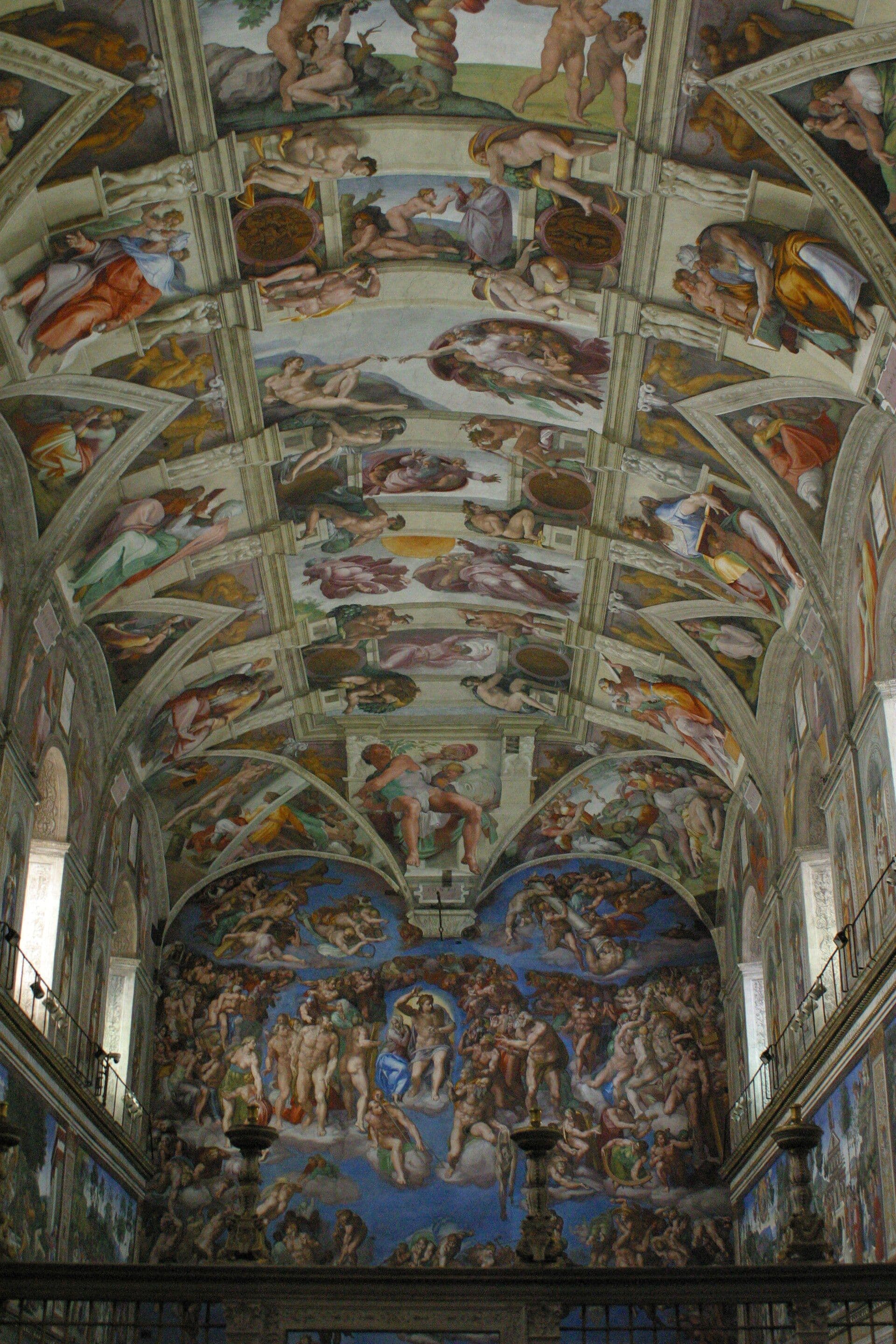 Foto: Fabio Poggi · CC BY 3.0 · Wikimedia CommonsGetYourGuideFoto: NikonZ7II · CC BY-SA 4.0 · Wikimedia CommonsGetYourGuide
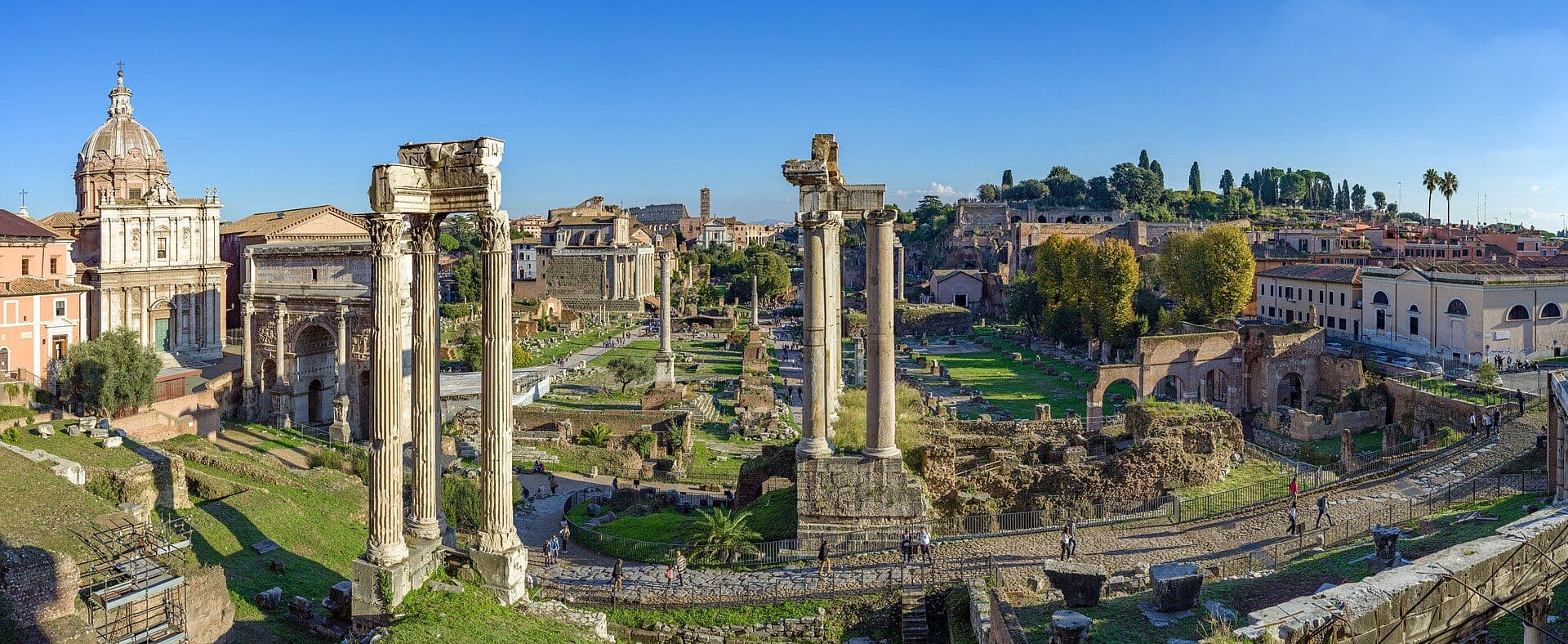 Foto: This Photo was taken by Wolfgang Moroder. Feel … · CC BY-SA 3.0 · Wikimedia CommonsGetYourGuide
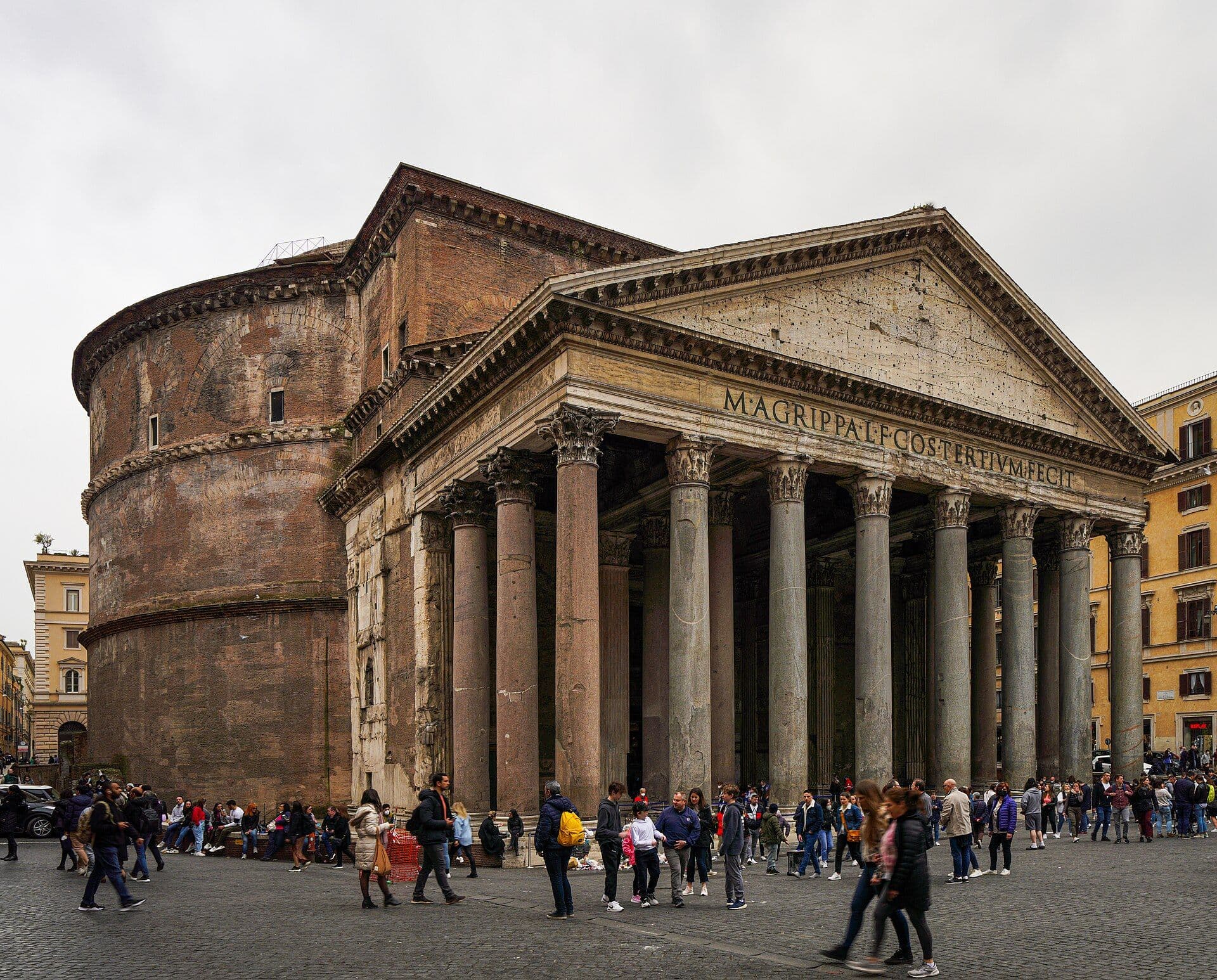 Foto: NikonZ7II · CC BY-SA 4.0 · Wikimedia CommonsGetYourGuide
Links to searches on partner sites: if you book we may earn a commission, at no cost to you.
Roman cuisine is built around flavourful pasta dishes, humble ingredients and a strong trattoria tradition. Fry shops and markets round out the offering with quick bites.
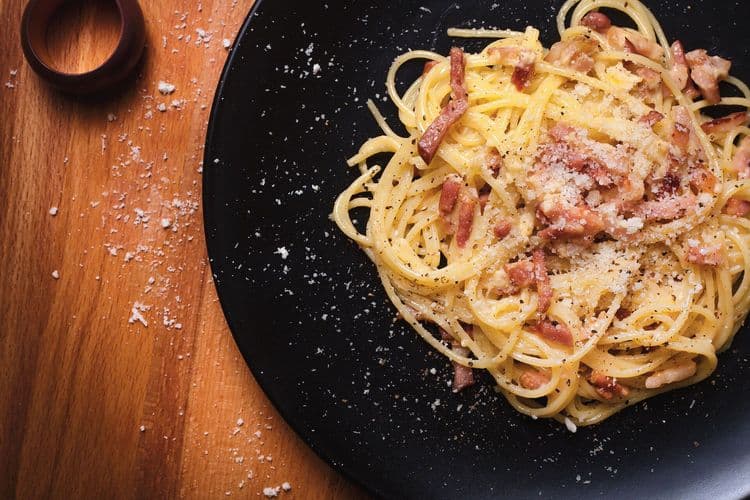 Foto: Javier Somoza · CC BY-SA 4.0 · Wikimedia Commons
A Roman trattoria classic, best ordered for lunch or dinner away from the most touristy areas.
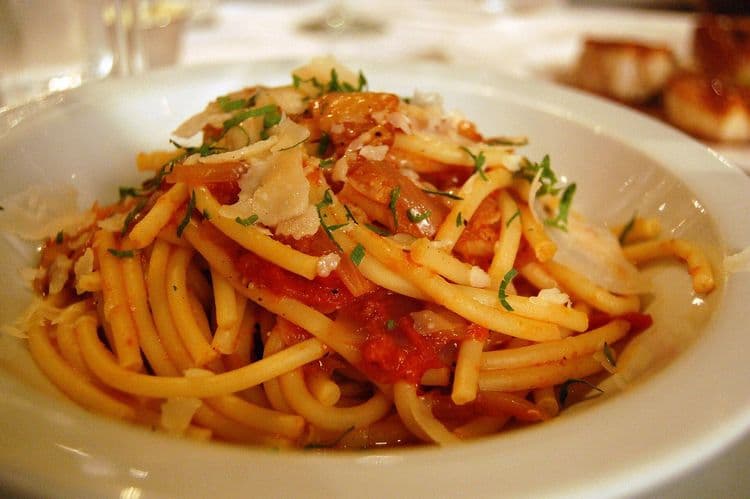 Foto: stu_spivack · CC BY-SA 2.0 · Wikimedia Commons
A traditional Lazio pasta dish, widely available in trattorias and Roman-style osterias.
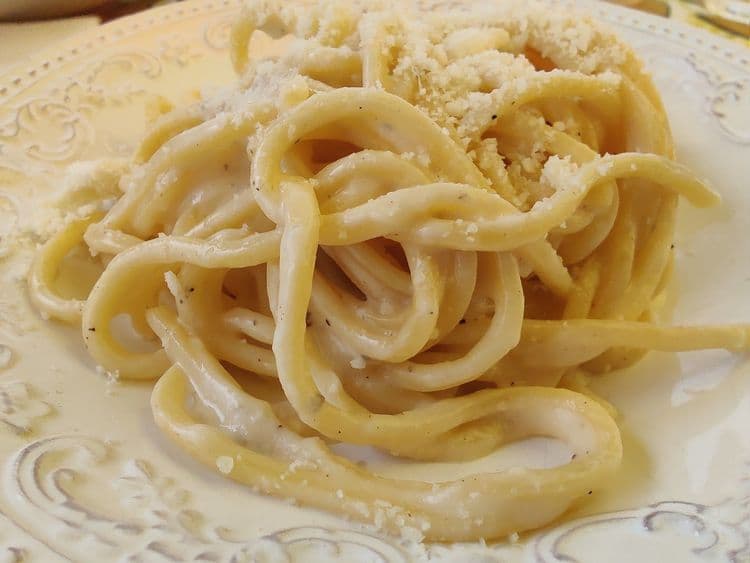 Foto: Camelia.boban · CC BY-SA 4.0 · Wikimedia Commons
An essential osteria speciality, ideal for comparing traditional and more contemporary interpretations.
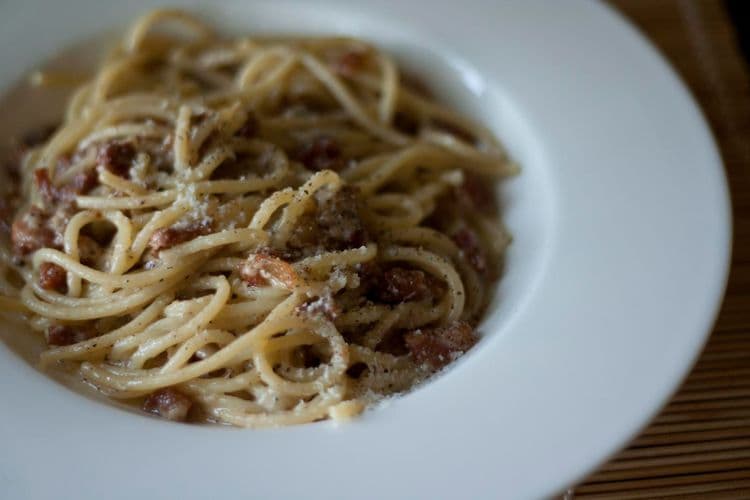 Foto: Luca Nebuloni from Milan, Italy · CC BY 2.0 · Wikimedia Commons
A historic shepherd-style pasta dish, less known but found on more traditional Roman menus.
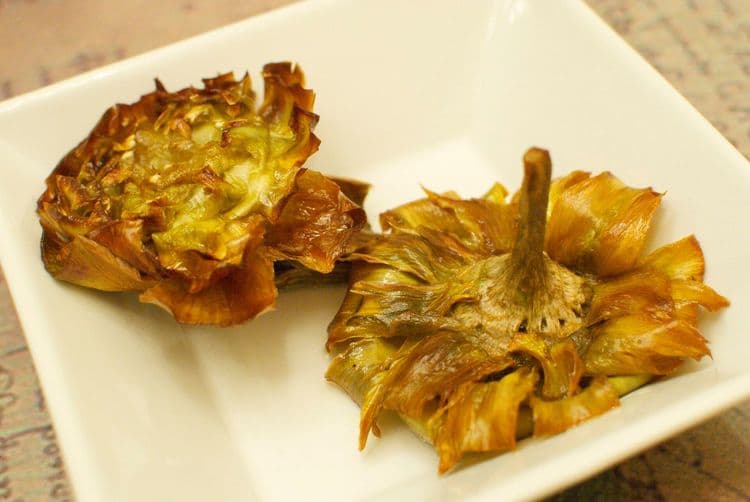 Foto: Marco Iannantuoni · CC BY-SA 3.0 · Wikimedia Commons
A Jewish-Roman speciality, especially worth trying during artichoke season from winter into spring.
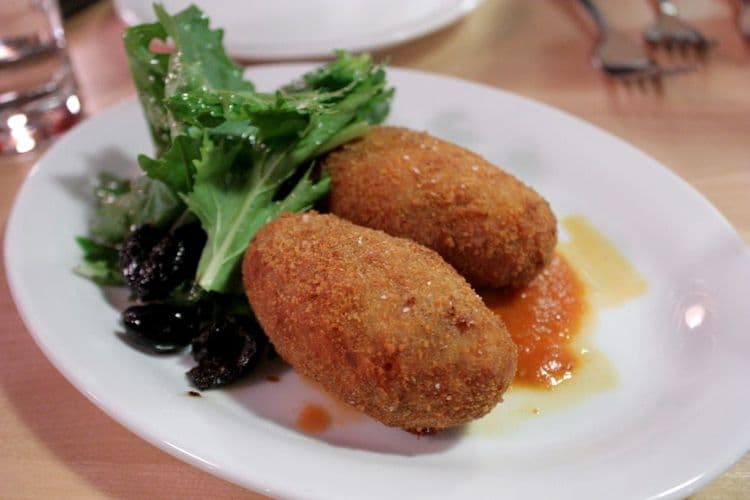 Foto: Krista · CC BY 2.0 · Wikimedia Commons
Typical street food from pizzerias and fry shops, ideal for a quick snack.
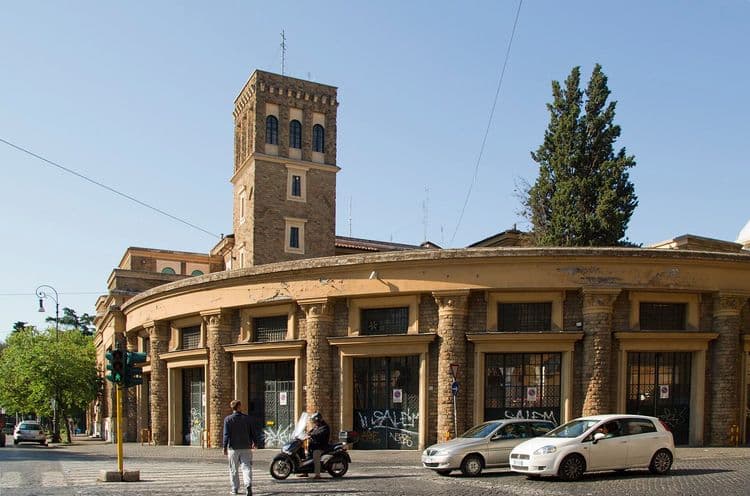 Foto: trolvag · CC BY-SA 3.0 · Wikimedia Commons
Market, trattorias and traditional Roman food in a neighbourhood also popular with locals.
Foto: Gobbler · CC BY-SA 3.0 · Wikimedia CommonsTrattorias, pizzerias and evening venues; it is worth moving away from the busiest streets.
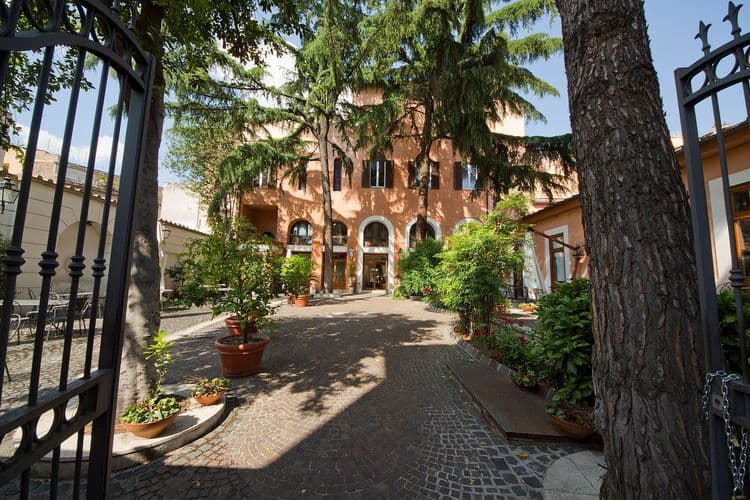 Foto: trolvag · CC BY-SA 3.0 · Wikimedia Commons
Bistros, wine bars and contemporary options alongside osterias and casual venues.
Foto: Lalupa · CC BY-SA 4.0 · Wikimedia CommonsTheForkFoto: Gobbler · CC BY-SA 3.0 · Wikimedia CommonsTheForkFoto: Fiat 500e · CC BY 4.0 · Wikimedia CommonsTheForkLinks to searches on partner sites: if you book we may earn a commission, at no cost to you.
Rome's nightlife is centred on Trastevere, Monti, Testaccio and the historic centre. The scene ranges from pubs and wine bars to cocktail bars, music venues and panoramic terraces.
Quartieri consigliati
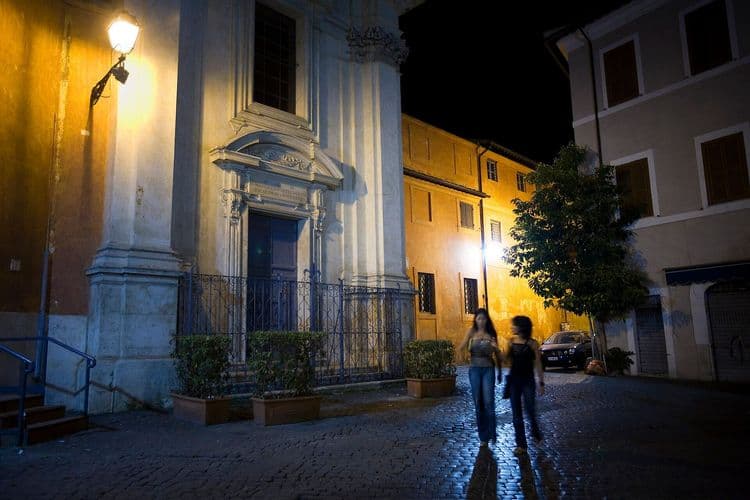 Foto: Jorge Royan · CC BY-SA 3.0 · Wikimedia Commons
Bars, pubs and lively squares
Busy lanes, wine bars and casual pubs; ideal for those seeking a lively evening without fixed plans.
Foto: trolvag · CC BY-SA 3.0 · Wikimedia CommonsWine bars and cocktails
Wine bars, cocktail bars and small pubs around intimate squares and lanes, with a mixed crowd and relaxed atmosphere.
Foto: trolvag · CC BY-SA 3.0 · Wikimedia CommonsMusic and late-night venues
Evening venues, music and casual spaces in a historic district, ideal for carrying on late.
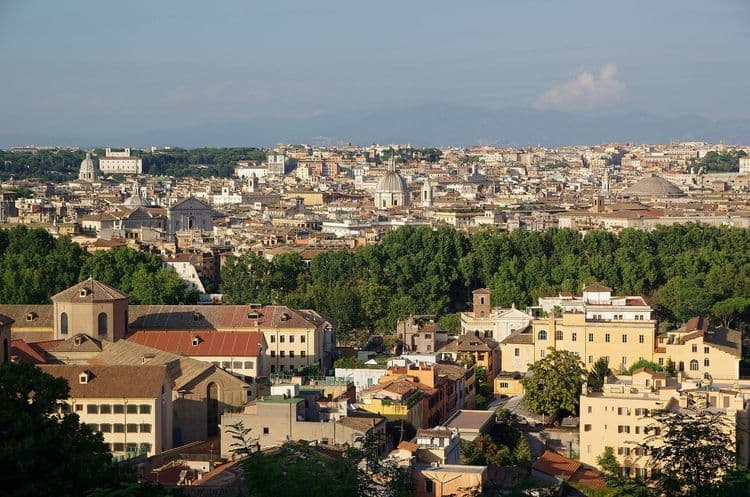 Foto: Jakub Hałun · CC BY-SA 4.0 · Wikimedia Commons
Cocktails and panoramic terraces
Cocktail bars and terraces near the main squares, with polished settings and generally higher prices.
Rome in 1, 3 o 7 giorni: scegli la durata e porta ogni giornata sulla mappa.
For an essential first visit, with Ancient Rome in the morning and the main central squares in the afternoon.
Tell us when you arrive, who you travel with and what you enjoy: we prepare a personal plan with transport and times, as a PDF.
Tutte le opzioni per raggiungere Rome in modo semplice e veloce.
Fiumicino is connected to Roma Termini by the Leonardo Express in 32 minutes. Direct buses from Ciampino take around 40-50 minutes, depending on traffic.
Trova i voli migliori per raggiungere Rome in modo semplice e veloce.
Più economico a febbraio, più caro a dicembre.
Stima indicativa per un volo A/R in economy da Roma o Milano, prenotato 1-2 mesi prima. I prezzi reali dipendono da date ed eventi.
| gennaio | 105 € |
|---|---|
| febbraio | 95 € |
| marzo | 115 € |
| aprile | 160 € |
| maggio | 145 € |
| giugno | 155 € |
| luglio | 165 € |
| agosto | 145 € |
| settembre | 150 € |
| ottobre | 135 € |
| novembre | 100 € |
| dicembre | 170 € |
Roma Termini is the main rail hub, served by high-speed trains from Milan, Florence, Naples and Venice. The station connects to metro lines A and B.
High-speed rail
Direct links to major cities
Roma Termini
Central, near many hotels
Direct metro
Lines A and B at station
Useful services
Luggage storage and essential facilities
Rome is reached by the A1 and A24 motorways and ringed by the Grande Raccordo Anulare. Central ZTL zones mean leaving your car in outer car parks or checking access with your accommodation.
Common mistake: Driving into the central ZTL without checking hours, access gates and hotel authorisation.
Scegli il mezzo più adatto per esplorare Rome.
Rome is moderately expensive compared with many European cities, especially in spring, autumn and during holidays or major events. Accommodation in central areas has a greater impact on costs than food and transport.
Economico
95 €–145 €/ giorno
Budget shared double room, simple meals, public transport and one paid admission.
Medio
165 €–255 €/ giorno
Mid-range hotel in a shared double room, casual restaurants, public transport and key attractions.
Comfort
300 €–500 €/ giorno
Comfort hotel in a shared double room, refined restaurants, occasional taxis, museums and pre-booked visits.
Stima indicativa a persona, alloggio in camera doppia incluso. I prezzi reali dipendono da stagione ed eventi.
Coffee at the counter
1,20–1,50 €
Quick meal
7–12 €
Restaurant dinner
30–50 €
Cocktail or glass of wine
8–14 €
Public transport ticket
1,50 €
City taxi ride
15–30 €
Museum admission
13–22 €
Mid-range hotel
150–245 €
In Italy, EU citizens can access medically necessary public healthcare during their stay by presenting a European Health Insurance Card (EHIC), under the same conditions as residents, including any applicable co-payments; visitors from outside the EU generally need to pay unless a bilateral agreement applies. Without cover, a private consultation typically costs around €80–200, while non-urgent emergency treatment and hospital stays may involve co-payments or bills ranging from hundreds to several thousand euros; carry ID, your EHIC or provisional replacement certificate, and insurance documents. Travel insurance covering medical costs, hospital treatment, assistance and repatriation is recommended—check the limits and exclusions carefully.
Italy has extensive 4G coverage, while 5G is widely available in cities including Rome, Naples and Palermo, though coverage can be less consistent in rural areas; free Wi-Fi is common in hotels, cafés, stations and some public spaces. Travellers from EU and EEA countries can generally use their domestic plan under EU roaming rules, while visitors from elsewhere should check international roaming charges. Local SIM cards are sold in phone shops and selected authorised outlets on presentation of a passport or ID card; an eSIM activated before departure lets you get online as soon as you arrive without changing your physical SIM.
After choosing an area to stay in, you can compare experiences, find a suitable restaurant and create a personalised area-by-area itinerary.